
Plywood Supplier Checklist for Australian Trade Buyers
When searching for “plywood supplier Australia,” trade buyers should not choose from price, website claims or one perfect sample. Approve a supplier only after the legal seller, production site, product standard, timber origin, quality controls, packing method and repeat-order rules all match the purchase specification. Each important claim should connect to a current document, product mark, batch record or agreed inspection step.
The useful distinction is simple. Audit the seller, the panel and the shipment as three linked files. If one file cannot be traced to the other two, the order is not ready.
This checklist supports commercial screening. It does not replace project design, certification review, customs advice or an Australian importer’s legal duties.
Use three files to judge one supplier
Use this plywood supplier Australia checklist before approving samples, credit or production. A polished factory tour has limited value unless the evidence follows the order.
| Audit file | What it must prove | Stop signal |
|---|---|---|
| Seller file | Legal entity, supply role, bank beneficiary and claim responsibility | Names, addresses or payment details do not match |
| Product file | Approved specification, production site, standard, certificate scope and control plan | Evidence covers another mill, panel or grade |
| Shipment file | Batch marks, inspection records, pack list, loading evidence and container identity | The shipped packs cannot be linked to the approval file |
A supplier passes only when all three files agree. A valid report for another factory, or an invoice that cannot be reconciled with the seller, should stop approval.
Confirm the legal seller and supply role
A plywood supplier may be a mill, exporter, Australian distributor, stockist or group sourcing arm. No model is automatically safer. Risk rises when the role stays vague.
If the seller claims to be an Australian entity, check its public details through ABN Lookup. It shows ABN status, entity type and GST status. An overseas supplier should provide its legal registration, address and exporter details. The contract name and payment beneficiary must match or have a documented explanation.
- Which entity signs the contract and issues the invoice?
- Which mill makes each product line?
- Who approves changes and shipment release?
- Who owns a claim when goods fall outside specification?
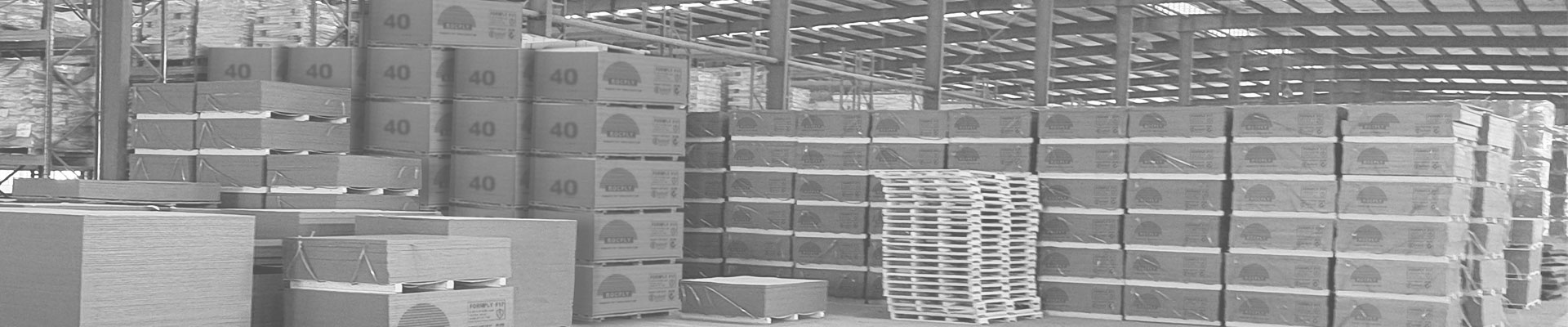
The ROCPLY company profile describes ROC as the import, export and quality-inspection arm within Home World Group. That role should stay consistent across quotes, inspections and shipping documents.
Lock the job and product before price
“18 mm plywood” is incomplete. Structural, furniture, marine and formwork panels can share a thickness while following different standards and proof routes. Review the ROCPLY plywood range by product type, then write the chosen application and service condition into the specification.
| Specification line | What to state | Evidence to request |
|---|---|---|
| Use | End application, load role, exposure and finish | Product recommendation with stated limits |
| Panel | Standard, grade, bond, species, core and face/back | Data sheet and approved construction |
| Dimensions | Length, width, thickness and accepted tolerances | Measurement method and inspection record |
| Safety and sourcing | Emission, treatment, timber origin and required claims | Applicable reports and chain documents |
| Identity | Sheet mark, edge mark, pack label and batch code | Marking artwork and traceability example |
| Delivery | Pack count, protection, weights and loading sequence | Packing drawing and loading plan |
Read certificates by scope not logo
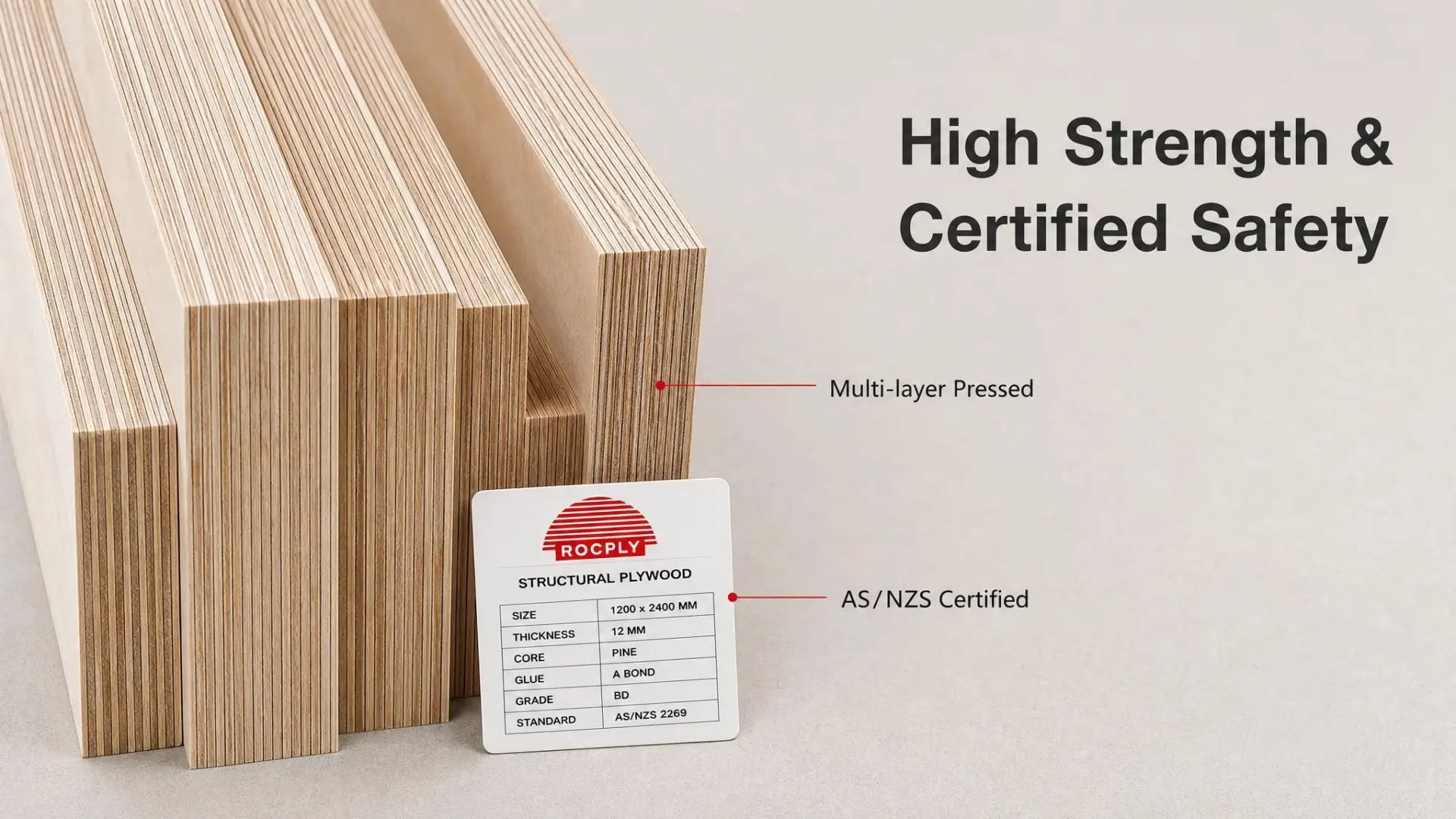
A certificate proves only what its current scope covers. Check the certificate holder, manufacturing site, product family, standard, grade or performance claim, issue status and permitted product mark. Then match those fields to the quotation and pack.
The EWPAA product certification process connects manufacturing audits, internal testing, independent laboratory work and a defined scope. Apply the same scope discipline to any relevant certification system. A brochure logo does not extend a certificate to another product or mill.
Save the current public register entry where one exists. Recheck it before repeat orders when a regulated claim drives the purchase.
Build the timber origin file before order
Timber legality belongs at supplier approval. The Australian Department of Agriculture, Fisheries and Forestry says importers of regulated timber products must have a written due diligence system before import. They must obtain origin information, assess illegal-logging risk and mitigate risk when it is not low. Check the department’s current due diligence guidance for importers.
Ask for timber species, harvest country, mill, supply-chain route and legal-harvest support. For FSC or PEFC material, state the required claim and certificate number on transaction records. Supplier evidence supports the importer’s system; it does not transfer responsibility.
Link the origin file to the product and shipment. A general sourcing statement with no batch connection is too weak.
Control the change from sample to production
A golden sample is useful, but it is not a quality system. The stronger test is whether the supplier can define critical characteristics, inspection methods, sample frequency, acceptance limits, hold points and release authority.
Require written approval before a change to the mill, core species, veneer build, adhesive, face grade, certificate route, marking or packing. This prevents a good first order from becoming an uncontrolled substitute six months later.
Use the plywood quality inspection guide to set face, edge, core, bond, dimension, machining and shipment checks. Add photos and measured results to the batch file. The audit page should define who controls the process; the inspection page defines how the panel is checked.
Make every quote comparable
For a plywood supplier Australia comparison, issue one RFQ format to every candidate. A low price may otherwise hide a different core, weaker packing or missing proof.
State the end use; product standard and grade; bond; species and core; face/back; finished size and tolerance; emission or treatment requirement; product marking; quantity; unit basis; pack count; net and gross weight; named delivery term and place; production lead time; quotation validity; required documents; inspection point; claim process; and destination.
Compare the cost of accepted panels, not sheet price alone. Agree who pays for reinspection, sorting, replacement or credit when a batch fails.
Approve packing as part of the product
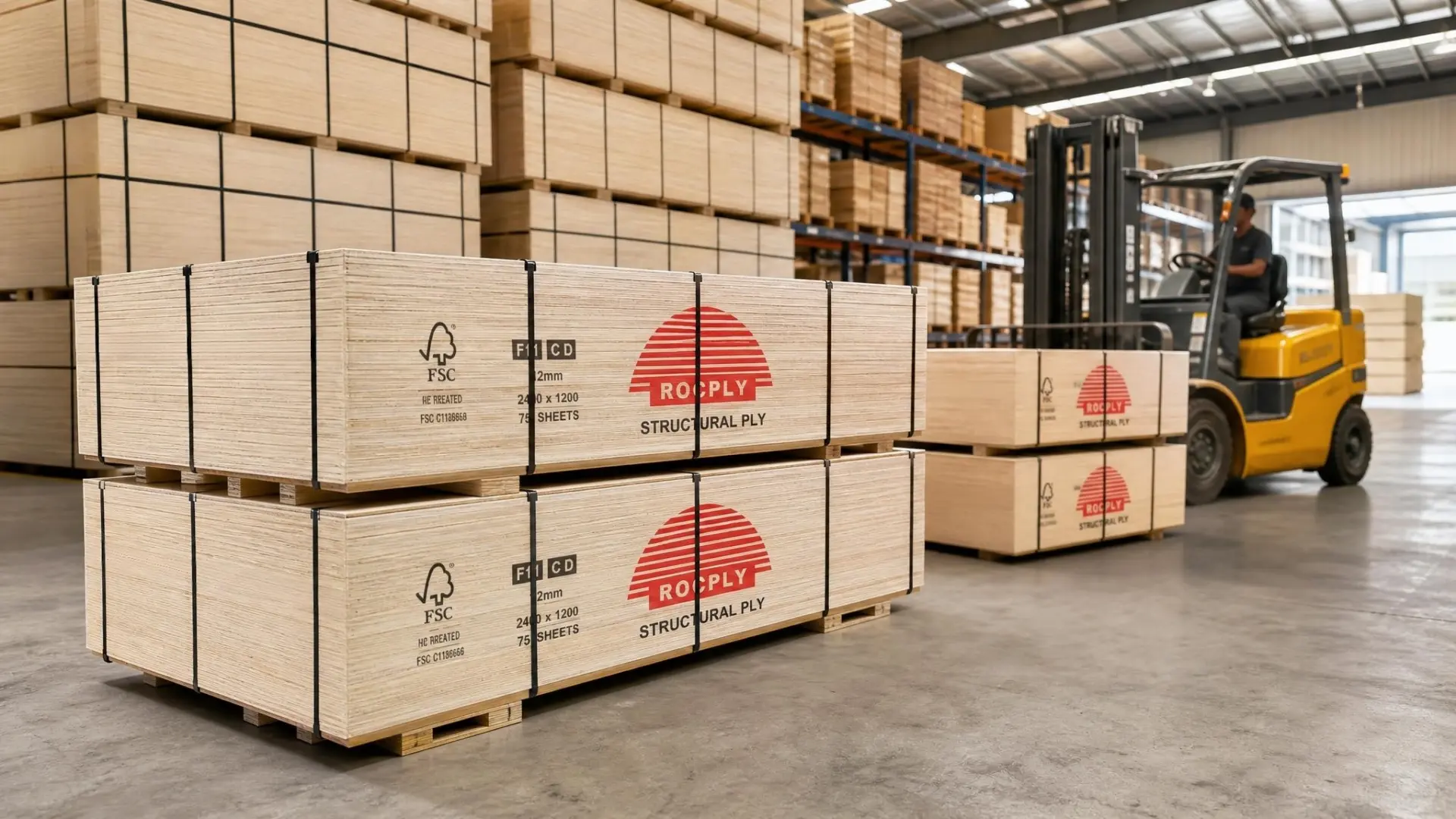
“Export packing” is not measurable. Agree the pallet base, bearers, top and bottom protection, wrapping, corner guards, straps, forklift entry and label location. The plywood sheet sizes guide explains why format, handling, pallet design and container planning must work together.
Request photos of the empty container, pack labels, edge protection, loading sequence, restraint, doors and seal. Match pack counts and weights to the packing list. The record makes later investigation clearer.
Score risk then run a pilot order
Use the same weighted scorecard for every candidate. Adjust only when the project changes.
| Audit area | Suggested weight | Pass evidence |
|---|---|---|
| Product fit and technical proof | 25% | Complete spec, valid scope and matching marks |
| Repeat QC and change control | 20% | Control plan, records, hold points and notification rule |
| Seller identity and timber legality | 20% | Reconciled entities, origin file and risk inputs |
| Packing and logistics | 15% | Approved pack and loading plan |
| Commercial clarity | 10% | Comparable quote with no hidden basis changes |
| Corrective action and communication | 10% | Named owner, response route and agreed remedy process |
A total score must not hide false identity, mismatched certification, unresolved origin or undocumented substitution. Any one should stop approval.
- Approve the document index and written specification.
- Approve samples and the required process trial.
- Record production hold points and release evidence.
- Inspect the pilot batch and packing.
- Close any delivery variance before repeat orders.
Buyer questions about plywood suppliers
What should I ask when searching for plywood supplier Australia?
State the end use, product standard and service condition. Then verify seller, mill, evidence, change control and shipment traceability.
Is a plywood manufacturer always safer than a trader?
No. A capable mill, exporter or sourcing company can each control risk. Judge the disclosed role, evidence and responsibility.
How do I check structural plywood proof?
Name the standard and grade. Confirm that current evidence covers the site, product and grade, then match the permitted mark to the goods.
Is one good sample enough?
No. Keep it, but also agree measurable limits, inspection frequency, batch records and change approval. The control plan creates repeatability.
Request a supplier audit pack
Send ROCPLY your end use, target standard, panel specification, volume, destination and required proof. For a plywood supplier Australia review, the team can prepare a supplier evidence index, product specification, QC hold-point plan, packing plan and quotation response for your technical and commercial approval.
Post time: Sep-28-2026