
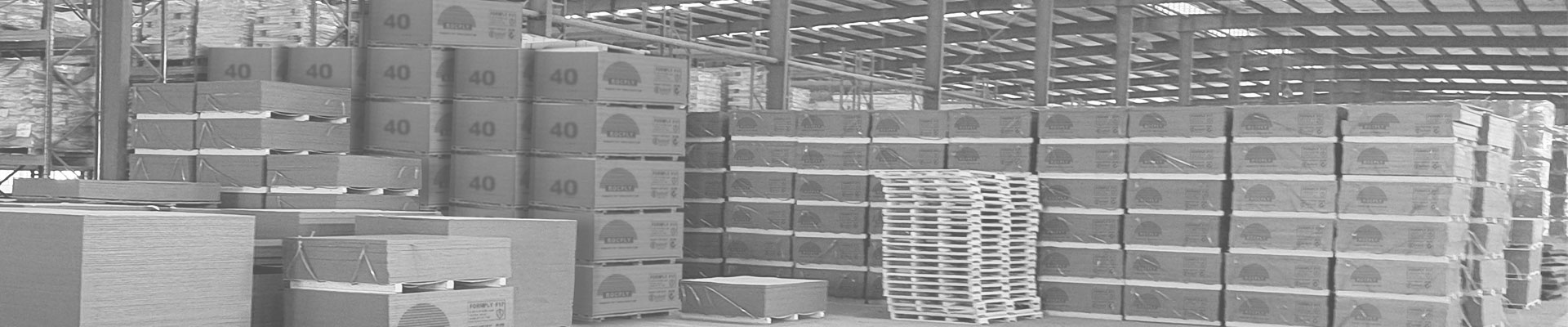
A ply board wall is a practical wall lining made from plywood sheets or boards fixed to studs, battens, or a solid backing. It is common in workshops, sheds, site offices, storage rooms, and many commercial fit-outs. It is also used behind finishes, where you need a strong fixing base. However, plywood is not a single product. Grade, glue type, and surface finish can change performance and cost. Therefore, this guide explains what to choose, how to install it, and what to confirm before you buy. You will also get a purchase checklist that helps reduce claims and keeps repeat supply consistent.
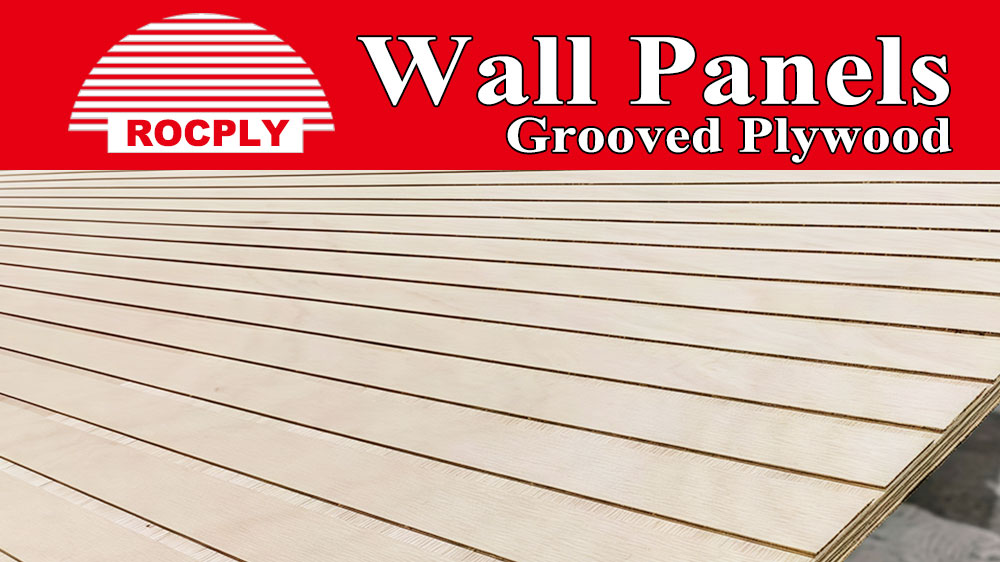
What a ply board wall is and what it is not
A ply board wall is a wall surface made from plywood sheets. The sheets are usually fixed with screws or nails. In some designs, adhesive is also used. The result is a wall that is tough, easy to clean, and easy to repair.
What it is
- A durable lining for high-traffic areas and work spaces.
- A solid base for shelving, hooks, and fixtures.
- A fast wall solution for new builds and refits.
What it is not
- Not a waterproof wall by itself. Moisture control still matters.
- Not a fire-rated system unless tested and specified as a system.
- Not always a finish-ready surface without sanding, filling, or coating.
If you want a smooth decorative look, you may prefer prefinished panels. On the other hand, if you need strength and easy fixing points, plywood wall lining is often the better choice.
Main options for ply board wall
There are several ways to build this wall. Choose the option that matches the use case and the look you want.
1) Raw plywood wall lining (site-grade finish)
This is the most common option for sheds, factories, and storage areas. It is cost-effective. It is also easy to cut and install. However, it may show patches, grain variation, and repairs. Therefore, it suits utility spaces more than high-end interiors.
Best for:
- workshops and warehouses
- equipment rooms and storage areas
- site offices and temporary buildings
2) Sanded plywood wall panels (interior fit-out finish)
Sanded panels give a cleaner surface. They are easier to paint. They can also be used under wall coverings. In addition, sanding improves touch feel and helps reduce visible repair marks.
Best for:
- interior wall lining
- shopfitting and commercial spaces
- painted plywood walls
3) Decorative face plywood (veneer-faced or fancy plywood)
If the wall is visible and design matters, choose a decorative face. Veneer-faced plywood can look premium. However, it needs careful handling. It also needs a suitable clear coat or stain system.
Best for:
- feature walls
- offices and hospitality fit-outs
- brand-driven retail interiors
4) Structural plywood wall sheathing (behind cladding)
In many buildings, plywood is used as wall sheathing. It adds stiffness. It also provides a strong base behind cladding. However, sheathing is a technical layer. Therefore, it should follow the building design and code requirements.
Best for:
- wall bracing and racking resistance
- backing behind exterior cladding systems
- stronger fixing base for facade details
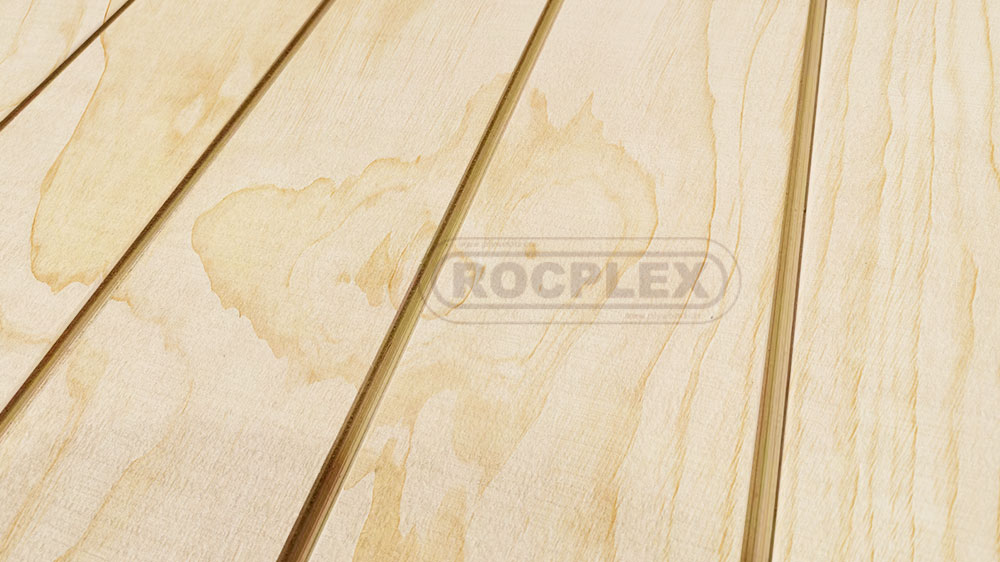
How to choose the right plywood for your wall
Start with environment and use. Then lock the spec. This order prevents most mistakes.
Step 1: Define the ply board wall environment
Ask one simple question first: will the wall see moisture?
- Dry interior: most interior plywood options can work.
- Humid interior: choose better bonding and better sealing.
- Construction exposure: choose exterior-grade bonding where needed.
Even in a dry room, moisture can come from cleaning, condensation, or poor airflow. Therefore, plan for real site conditions, not ideal conditions.
Step 2: Choose thickness based on impact and fixing needs
Thickness depends on how the wall will be used.
- Light lining (low impact): thinner panels may suit.
- High impact (trolleys, tools, traffic): choose thicker panels.
- Heavy fixing loads (shelves, brackets): choose thickness that holds screws well.
If the wall will carry fixtures, plan the fixing points early. In addition, consider blocking behind sheets for heavy loads.
Step 3: Match the grade to the finish level
For utility walls, appearance grade is less important. For visible interiors, it matters a lot.
Confirm:
- face grade and repair limits
- sanding level and patch quality
- colour range control for large walls
If you want a consistent look, sample approval is essential. Moreover, request batch consistency rules in writing.
Step 4: Confirm glue type and service suitability
This is one of the most important checks. Two panels can look the same but perform very differently.
- Interior use: interior bonding may be acceptable in dry rooms.
- Humid or exposed use: upgrade to exterior bonding when needed.
If the wall may see moisture during construction, do not under-spec the bond line. As a result, you reduce edge swell and delamination risk.
Step 5: Lock the purchase checklist in the PO
Use this list to keep quotes comparable and supply stable.
Buying checklist (copy into your PO)
- Intended use: interior lining, decorative wall, or wall sheathing
- Panel thickness and tolerance range
- Sheet size and pack count
- Face/back grade rules and sanding level
- Core build and core gap limits (edge photos help)
- Bonding requirement for your service conditions
- Emissions target for your market and customer type
- Coating requirement: raw, primed, or prefinished
- Packing standard: corner guards, wrap, straps, pallet base
- Traceability: batch number or production date on packs
Installation best practices for a flatter, cleaner wall
Good panels can still look bad if framing is poor. Therefore, plan the wall system, not just the sheet.
Framing and preparation
1) Check studs or battens for straightness. Pack and level as needed.
2) Keep fixing centres consistent. Uneven fixing causes waves.
3) Plan sheet layout to reduce small offcuts at corners and doors.
4) Leave clearance from floors where cleaning water may sit.
Handling and acclimation
5) Store packs flat, dry, and off the ground.
6) Let sheets acclimate to the room when possible.
7) Avoid installing wet or rain-exposed sheets.
Fixing method (screws, nails, and adhesive)
8) Use screws for better pull strength and easier removal later.
9) Use correct fastener length for your thickness and framing.
10) Keep fixing lines straight. Snap chalk lines if needed.
11) If using adhesive, apply it evenly and do not over-apply.
12) Keep edge fixing tight enough to stop movement, but avoid splitting.
Joints, gaps, and detailing
13) Leave small expansion gaps where required by site conditions.
14) Stagger vertical joints for a cleaner look and better stiffness.
15) Use backing blocks behind joints if the sheet edges are unsupported.
16) Seal cut edges in humid zones or where cleaning splash is expected.
17) For a painted wall, fill joints and fasteners, then sand lightly.
Finishing and protection
18) Prime and coat all faces if the wall needs higher stability.
19) Use a coating that matches the space (workshop vs office).
20) Keep ventilation stable. Humidity swings cause movement.
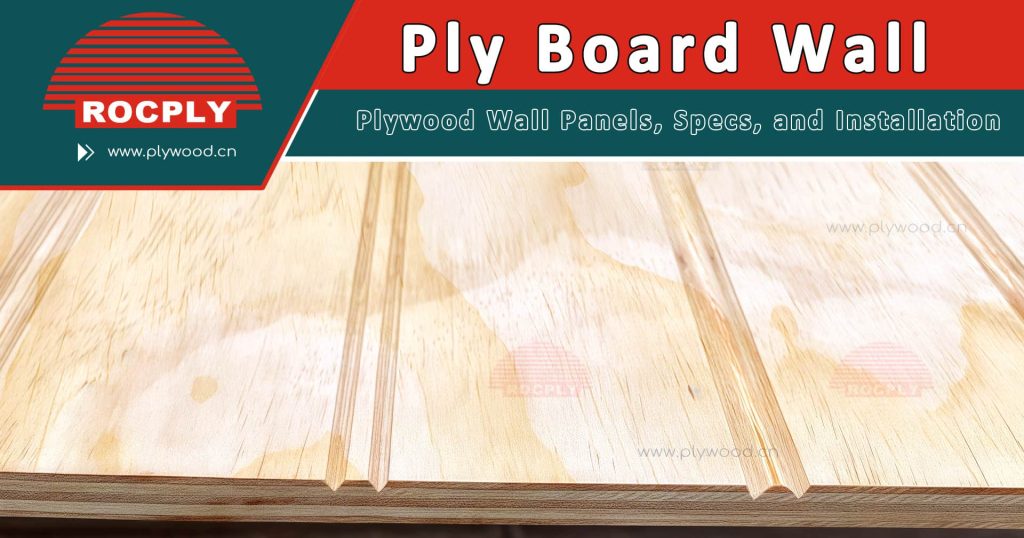
Ply board wall common problems and how to avoid them
Problem 1: Gaps opening at joints
Cause: sheets were installed too wet, or humidity dropped later.
Fix: acclimate sheets, allow sensible gaps, and control room humidity. If looks matter, use joint trims or set joints with a finish system.
Problem 2: Edge swelling
Cause: moisture exposure, poor edge sealing, or wrong bonding for the site.
Fix: improve moisture control, seal edges, and upgrade panel type where needed. Also keep the bottom edge off wet floors.
Problem 3: Wavy wall surface
Cause: uneven framing or inconsistent fixing.
Fix: straighten studs, use battens, and keep fixing centres consistent. In addition, avoid thin panels on uneven frames.
Problem 4: Face checking or rough surface after coating
Cause: poor sanding, weak face veneer, or wrong coating method.
Fix: choose a better face grade, sand correctly, and use a compatible primer and top coat.
These issues are predictable. Therefore, strong specs and basic site controls prevent most of them.
Ply board wall Pricing factors that change the cost fast
Plywood wall lining prices vary widely. The main cost drivers are usually:
- face grade and sanding level
- core species and core gap control
- bonding type for service conditions
- thickness tolerance and calibration
- decorative veneer faces and prefinishing
- emissions target requirements
- packing strength and shipping efficiency
- order size and sheet size mix
As a result, the lowest price is not always the best value. A stable mid-grade panel can reduce waste, speed up install, and lower claims.
FAQ
Is a ply board wall suitable for homes?
Yes, it can be. It is popular for garages, utility rooms, and feature walls. However, for living spaces, many owners prefer sanded or decorative faces with a clean finish.
Can I use plywood as exterior wall cladding?
Plywood can be part of an exterior system, but it must match the design and local code rules. In many cases, plywood is used as sheathing behind cladding, not as the final weather face.
What thickness is best for a wall lining?
It depends on impact and fixing needs. Light lining can use thinner sheets. Heavy use areas often need thicker panels. If you will mount shelving and tools, plan for stronger fixing and backing.
How do I stop the wall from looking patchy?
Choose a consistent face grade, approve a sample, and mix sheets from multiple packs during install. In addition, consider paint or a uniform stain system for a more even look.
Do I need to seal the edges?
If the wall may see moisture, edge sealing is strongly advised. Cut edges absorb moisture fastest. Therefore, sealing reduces swelling risk.
Is plywood safe for indoor use?
Indoor suitability depends on emissions targets and your market requirements. If the wall is for offices, schools, or homes, confirm an emissions level that fits your local expectations.
Can I paint plywood wall panels?
Yes. For best results, use sanded panels, fill fasteners, prime properly, then top coat. Also keep humidity stable while the coating cures.
Should I install sheets vertical or horizontal?
Both can work. Vertical can reduce horizontal joints on tall walls. Horizontal can align better with certain layouts. Choose the layout that reduces waste and looks clean around doors and corners.
Confirm your wall specification before ordering
If you are planning a ply board wall for projects or wholesale supply, send your target use case, sheet size, thickness, face grade, and finish plan. Then you can approve one control sample, lock the purchase checklist, and price volume orders with fewer surprises. For repeat supply, add batch labels and packing rules so every shipment stays consistent and easier to sell.
Post time: Feb-09-2026