
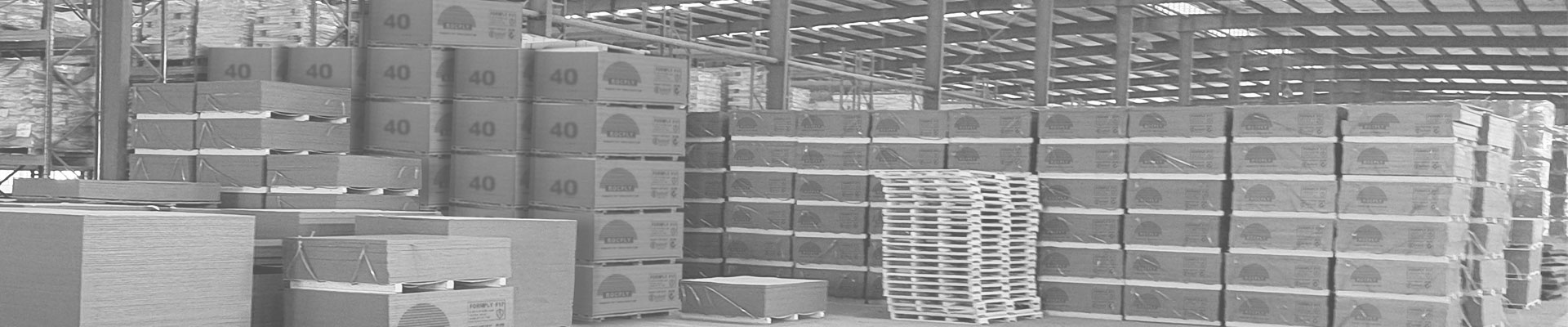
LVL beams are a powerful engineered wood product that delivers strong and consistent structural performance. Builders and engineers choose LVL for floor systems, roof framing, and load-bearing applications. Understanding LVL beams helps you make informed decisions for your construction projects.
What Are LVL Beams
LVL stands for Laminated Veneer Lumber. It is an engineered wood product made from thin wood veneers glued together under heat and pressure. The veneers are arranged with the grain running parallel to the length of the beam. This creates a strong and predictable structural member.
Unlike solid timber, LVL has consistent strength throughout. Natural defects like knots and cracks are spread across multiple veneers. This reduces weak points and produces a reliable beam for critical structural applications.
Key Advantages of LVL Beam
LVL beams offer several benefits that make them popular in modern construction.
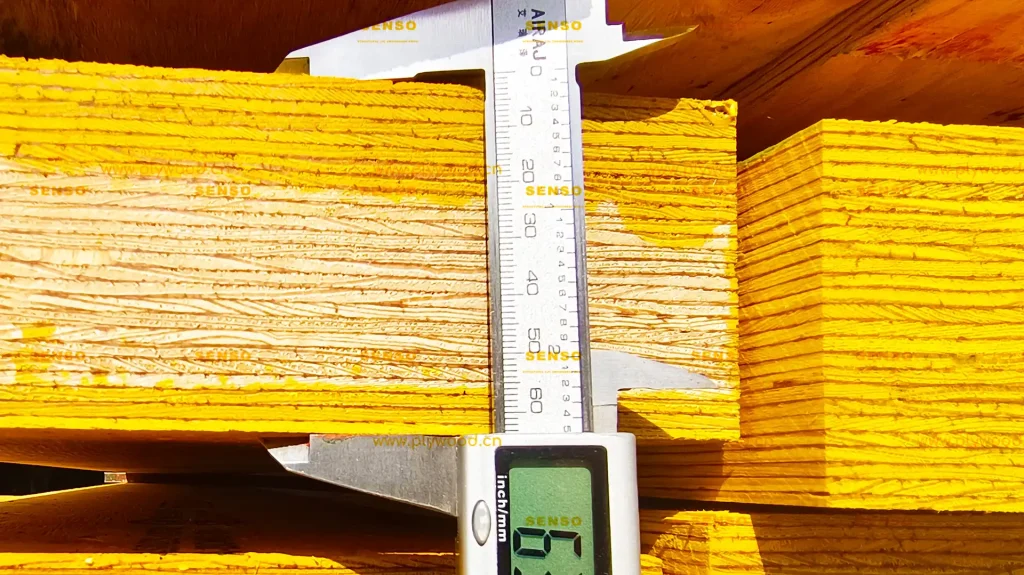
High Strength. LVL beams are stronger than equivalent solid timber sizes. The lamination process creates a beam that handles heavier loads. This allows for longer spans and reduced need for support columns.
Dimensional Stability. LVL resists warping, twisting, and shrinking better than solid wood. It maintains its shape in varying humidity and temperature conditions. This ensures consistent performance over the building’s life.
Consistent Quality. Engineered in a factory, LVL beams meet strict manufacturing standards. Each beam has predictable strength properties. This makes engineering calculations more reliable.
Long Lengths Available. LVL beams can be manufactured in very long lengths. Spans of 20 feet or more are common. This opens design possibilities that solid timber cannot match.
Eco-Friendly Option. LVL uses fast-growing trees efficiently. The manufacturing process maximizes yield from each log. This makes LVL a sustainable choice compared to harvesting large old-growth timber.
Common Applications for LVL Beams
Builders use LVL beams in many structural applications throughout residential and commercial projects.
Floor Joists. LVL makes excellent floor joists. It provides stiffness and reduces floor bounce. Long spans mean fewer support walls inside the building. Many builders pair LVL with I-joist systems for complete floor solutions.
Roof Rafters and Beams. LVL handles the loads from roof materials and snow. It spans long distances to create open attic spaces. Engineers specify LVL for complex roof designs.
Headers and Beams. LVL replaces large solid timber headers over windows and doors. It supports heavy loads from floors and roofs above openings. The strength allows for wider door openings without structural columns.
Garage Door Headers. Garage doors require strong headers. LVL provides the strength needed for wide garage openings. It resists the dynamic loads from door operation.
Commercial Framing. Many commercial buildings use LVL for framing. It handles the loads in office buildings, retail spaces, and industrial facilities. The consistency aids fast installation.
LVL Beam vs Other Framing Options
Understanding how LVL compares to other products helps you choose the right material.
LVL vs Solid Timber. Solid timber has natural variations in strength. LVL provides more consistent and predictable performance. Also spans longer distances and resists defects better.
LVL vs I-Joists. I-joists are lighter and ideal for floor framing. LVL beams are stronger for headers and beams that carry concentrated loads. Both work well in complementary roles within a structure. Check our I-joist products for comparison.
LVL vs Steel Beams. Steel offers higher strength per size but costs more. LVL is easier to work with on site and requires no special tools. For many residential applications, LVL provides sufficient strength at a lower cost.
LVL vs Glulam. Both are engineered wood products. Glulam uses larger lumber laminations while LVL uses thin veneers. LVL is typically more consistent and costs less. Glulam offers aesthetic options for exposed applications.
How to Select the Right LVL Beam
Choosing the correct LVL beam requires understanding load requirements and beam sizes.
Determine the Load. Calculate the total load the beam will support. This includes dead loads from materials and live loads from occupancy. An engineer can perform these calculations accurately.
Check the Span Tables. LVL manufacturers publish span tables. These show maximum spans for different beam sizes and load conditions. Match your requirements to the appropriate size.
Consider Depth and Width. LVL beams come in various depths and widths. Deeper beams offer more strength. Width provides stability against buckling. Choose sizes that fit your framing system.
Verify Grade and Properties. LVL beams have different strength ratings. Look for beams marked with their design properties. This includes modulus of elasticity and bending design values.
Installation Guidelines for LVL Beam
Proper installation ensures LVL beams perform as designed throughout the building’s life.
Handle with Care. LVL beams are heavy. Use proper lifting techniques and equipment. Avoid dropping or impact damage during handling.
Store Properly. Keep LVL beams dry before installation. Store them flat on dunnage. Cover with a waterproof tarp if stored outdoors. Moisture exposure before installation can cause swelling.
Use Proper Fasteners. Follow manufacturer recommendations for nails, screws, and bolts. Use galvanized fasteners for exterior applications. Proper fastening ensures loads transfer correctly.
Provide Adequate Bearing. LVL beams require sufficient bearing length at supports. Check span tables for minimum bearing requirements. Use metal joist hangers or bearing plates as specified.
Allow for Notching and Drilling. Never notch or drill the tension zone of an LVL beam without engineering approval. This area is critical for structural performance. Small holes may be allowed in the compression zone.
LVL Beams Standards and Certifications
Quality LVL beams meet established engineering standards for structural performance. These standards ensure consistent quality and reliable performance across different manufacturers and applications.
LVL production follows standards set by the American National Standards Institute (ANSI). The ANSI standard defines manufacturing tolerances and performance requirements. Look for products marked with ANSI certification.
Testing ensures LVL beams meet design values. ASTM standards (ASTM) cover testing methods for engineered wood products. Manufacturers conduct regular testing to verify consistent quality and compliance with structural requirements.
Building codes recognize LVL as an approved structural material. The International Building Code includes provisions for LVL in structural applications. Always verify local code requirements before specification.
Why Builders Choose LVL Beam
LVL beams have become a staple in modern construction for good reasons. They deliver reliable structural performance while offering design flexibility. The consistent quality reduces callbacks and structural issues.
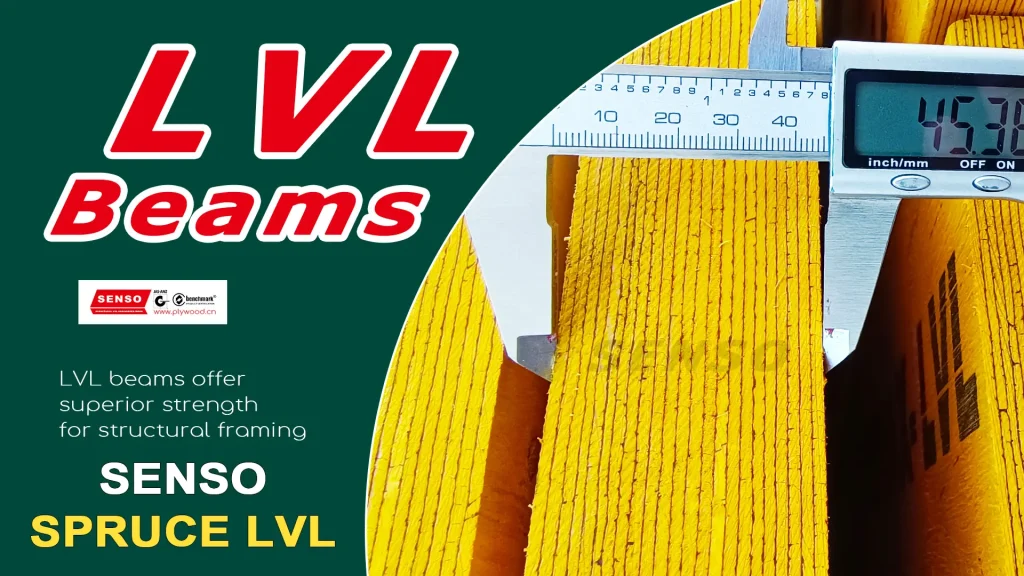
Builders appreciate the availability of LVL. Stocked at major lumber suppliers, beams are readily accessible. This keeps projects on schedule without waiting for special orders. We also offer wholesale plywood and other structural materials to complete your project needs.
The cost effectiveness of LVL adds value. Longer spans reduce the need for support columns and footings. This saves material and labor costs throughout the project.
Engineers specify LVL with confidence. The predictable performance simplifies calculations and approvals. Building departments recognize LVL as a code-approved material.
Get Quality LVL Beams for Your Project
Choosing the right structural beams impacts building performance and cost. LVL beams provide the strength and reliability your projects need.
ROCPLY supplies quality LVL beams to builders and wholesalers worldwide. Our products meet international standards and offer consistent performance. We also provide high-quality plywood and structural materials for all your construction needs. Contact us today to discuss your LVL beam requirements. We help you find the right products for your structural needs.
Post time: Mar-20-2026