
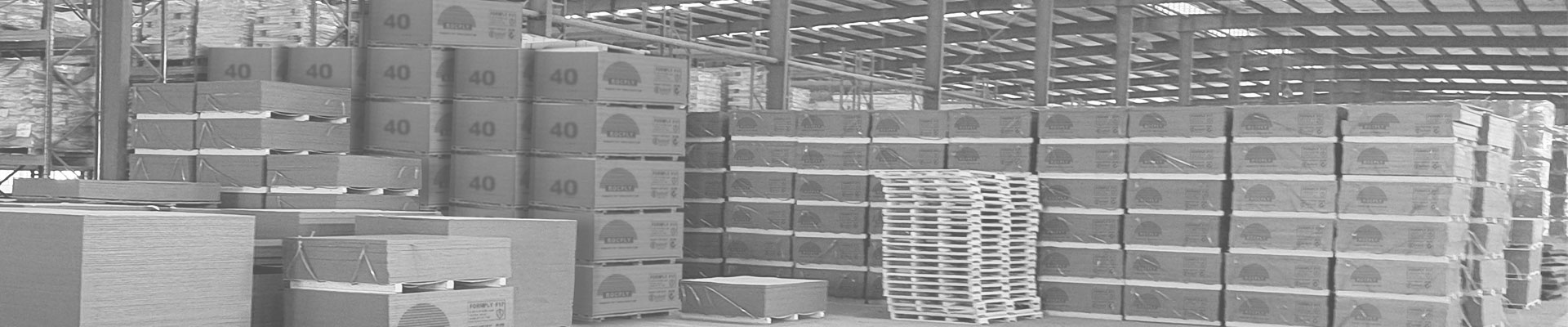
If you confuse structural plywood and non-structural plywood, the cost does not stay on paper. It shows up in failed inspections, wrong panel performance, wasted budget, and rework on site. This is one of the most common plywood buying mistakes in Australia because both products can look similar in the stack, yet they do very different jobs. ROCPLY’s own site reflects that split clearly. It markets certified structural plywood for construction roles and separately markets non-structural plywood for non-load-bearing applications such as interiors, furniture, packaging, and decorative work.
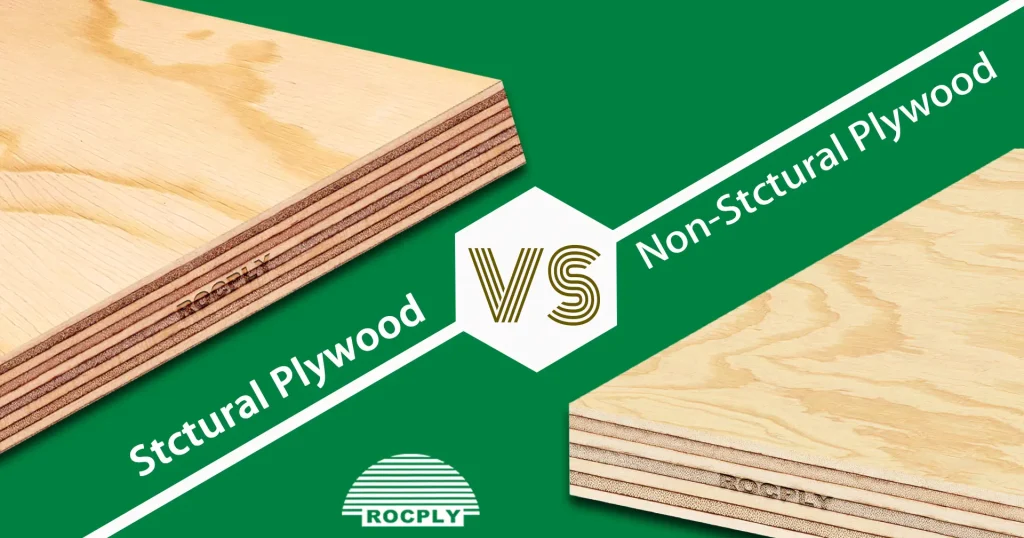
For ROCPLY, this topic matters because the site already serves buyers across structural, formwork, and appearance-grade categories. The structural plywood page positions the product around AS/NZS 2269 certification and construction use, while the non-structural plywood page positions its range around lightweight handling, BC and CD appearance grades, and interior or non-load-bearing applications in Australia and New Zealand.
Why builders and buyers still confuse the two
The confusion often starts with the word plywood. Buyers see the same sheet size, a similar face, or even an exterior bond, then assume the board can do any job. That shortcut causes problems. The current structural standard in Australia and New Zealand is AS/NZS 2269.0:2012, which sets minimum performance requirements and specifications for structural plywood. Non-structural plywood sits in different standards: AS/NZS 2270:2006 for interior use and AS/NZS 2271:2004 for exterior use. Those are not cosmetic differences. They define different intended uses.
The EWPAA structural plywood design guide makes the separation even clearer. It states that interior plywood made to AS/NZS 2270 and exterior plywood made to AS/NZS 2271 are non-structural plywoods used where a high-quality aesthetic finish is required. They must not be used in structural applications from that manual. That single distinction is the core of this whole buying decision.
Structural plywood belongs where failure is not an option
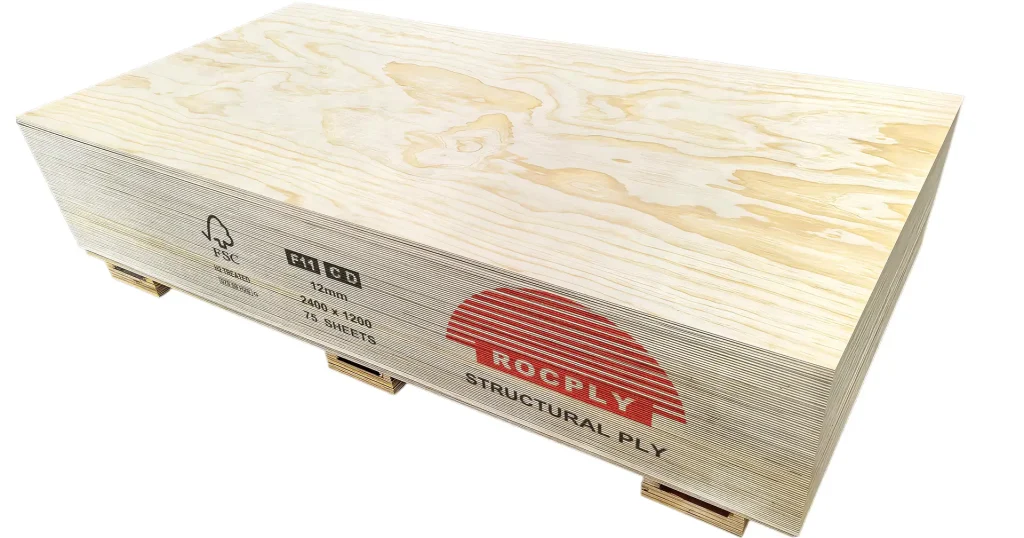
Structural plywood is chosen when the sheet contributes to strength, stiffness, bracing, flooring, or other load-related functions. ROCPLY structural plywood page positions the product for residential and commercial construction and states it is designed for structural applications, with certification references including Benchmark and CertMark for the Australian and New Zealand market.
Australian structural plywood is not just strong plywood. The current structural standard covers surface grades, stress grades, dimensions, moisture content, formaldehyde classes, branding, and structural properties. The EWPAA guide also notes that structural plywood can be specified with face and back veneer qualities to suit the application, while still remaining a structural panel under AS/NZS 2269. That matters because many buyers think a better face automatically means a non-structural sheet. It does not. A panel can have a structural role and still be specified with a face grade that suits visibility or finishing needs.
A useful internal reference here is ROCPLY Structural Plywood page, and for project planning, the newer Plywood Structural Sizes Span Guide helps buyers think beyond sheet size alone.
Non structural plywood works where finish and cost matter most
Non-structural plywood is the right buy when the panel is not carrying structural loads and the project values appearance, workability, lighter handling, or lower cost. ROCPLY’s non-structural plywood page places it in non-load-bearing uses and lists standard sizes from 4 mm to 28 mm in 2440 × 1220 sheets, usually in BC or CD appearance grades, with softwood or hardwood options. It also lists an A Bond to AS/NZS 2098.2, approximate density of 550 to 750 kg/m³, and FSC, PEFC, CE, and CARB availability on request.
This is where many buyers make a second mistake. They assume non-structural means cheap, weak, or low quality. That is not accurate. Non-structural plywood can be a very good product for wall linings, joinery, fit-out work, furniture, packaging, and decorative projects. The point is not that it is inferior. The point is that it is made for a different role. The EWPAA guide and the current AS/NZS 2270 and 2271 standards support that separation between structural performance and appearance-grade interior or exterior use.
A practical internal link here is ROCPLY Non Structural Plywood page, and its article on Non Structural Plywood Versatile Uses and Benefits is useful when the buyer is deciding between decorative use and load-bearing use.
Three buying mistakes that keep repeating
Mistaking exterior appearance plywood for load bearing plywood
This is the most expensive error. A panel made for exterior exposure under a non-structural standard is still not a structural panel. The EWPAA guide says exterior plywood under AS/NZS 2271 is non-structural, even when bonded with phenolic adhesive. Exterior durability does not automatically equal structural capacity.
Using structural panels where appearance grade plywood is enough
The reverse mistake wastes money. If the job is a cabinet back, interior lining, display panel, or packaging task, a structural panel may add cost with no project benefit. ROCPLY’s non-structural page is built around that value logic. It highlights smooth finishing, lighter handling, and non-load-bearing use, which are exactly the reasons buyers step down from structural ply when the design allows it.
Reading the word plywood without reading the standard
This sounds obvious, but it is where many bad purchases begin. Structural plywood should be checked against the structural standard and structural documentation. Interior and exterior appearance-grade ply should be checked against the non-structural standards that fit the moisture conditions of the job. A fast quote is never a substitute for the right standard. The most reliable path is to ask for the designation, intended use, face grade, bond type, and any certification before you compare prices.
A quick comparison before you order
| Question | Structural plywood | Non-structural plywood |
|---|---|---|
| Main purpose | Load-bearing or structural contribution | Appearance, lining, joinery, packaging, decorative use |
| Typical standards | AS/NZS 2269.0 structural plywood | AS/NZS 2270 interior use or AS/NZS 2271 exterior use |
| Should it replace the other | No, unless the job truly needs structural performance | No, if the panel has a structural role |
| What buyers usually optimise | Compliance, strength, stiffness, reliability | Finish, workability, lighter cost, visual quality |
| Typical buying mistake | Paying for structural performance that the job does not need | Using it where code or design requires structural capacity |
The ROCPLY site supports this split well. Its structural page speaks to construction performance, while its non-structural page speaks to appearance-grade use, standard sizes, and non-load-bearing tasks. That is also how Australian standards separate the two product families. You can also review the official structural standard listing at AS/NZS 2269.0 before final specification checks.
What to ask before you send the inquiry
Start with the real role of the sheet. Will it brace, span, carry, or stiffen something? Then you are in structural territory. Will it line, cover, display, box, or finish something without a structural role? Then non-structural plywood is often the smarter buy. Next, ask whether the panel is for protected interior use or exterior or damp conditions, because that changes whether AS/NZS 2270 or AS/NZS 2271 is the better fit on the non-structural side.
Then ask for the paperwork. On structural jobs, ask for the standard designation and structural certification. On non-structural jobs, ask for appearance grade, intended service condition, bond, and finish. If sustainability proof matters, ROCPLY’s pages also reference FSC and PEFC availability, and the FSC chain of custody framework explains how certified material is tracked through the supply chain.
Structural plywood and non-structural plywood FAQ
Is structural plywood always better than non-structural plywood
No. It is better only when the sheet has a structural role. For decorative, packaging, furniture, or lining work, non-structural plywood can be the smarter and cheaper choice.
Can non-structural plywood be used outside
Yes, but only if the product is made for exterior use under the relevant non-structural standard. Exterior exposure does not make it structural.
Does thicker plywood automatically mean structural plywood
No. Thickness alone does not decide the classification. The intended standard and structural role matter more than the sheet simply being thicker.
What is the safest buying shortcut
Ask one question first: is this sheet carrying load or only providing finish and coverage? That one answer usually tells you which plywood family to check first.
The practical takeaway
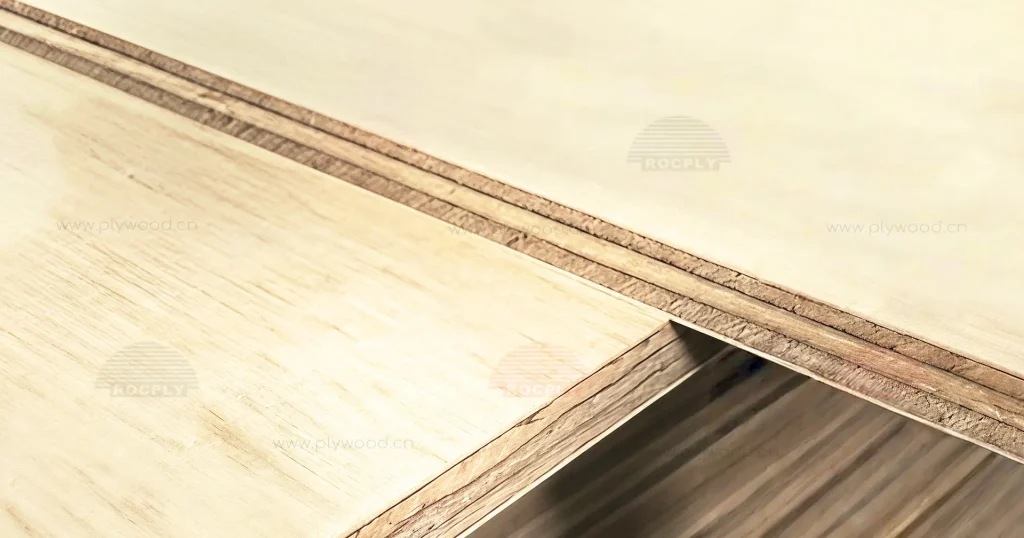
The best article on structural plywood and non-structural plywood should do more than define terms. It should stop buyers from paying for the wrong panel. For ROCPLY, that means helping customers classify the job before they compare the quote. When the role is structural, buy to the structural standard. When the role is visual or non-load-bearing, buy the appearance-grade panel that suits the service condition. That is how you protect both compliance and margin.
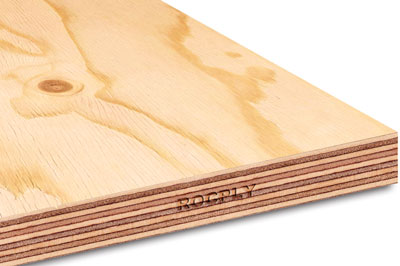
Structural Plywood AS/NZS 2269 Certified
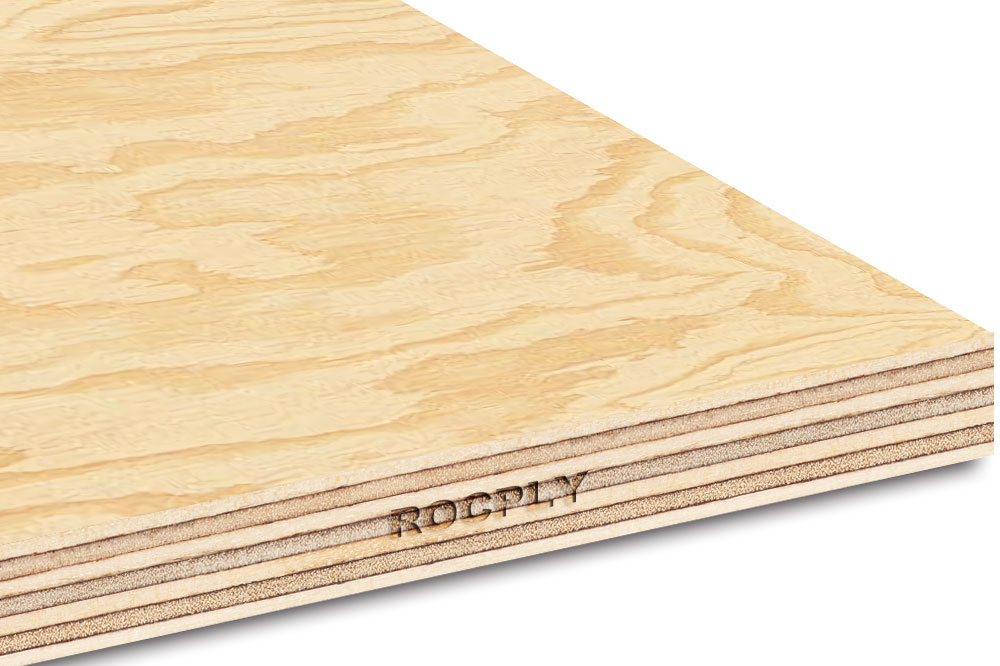
Non structural plywood
Post time: May-11-2026