

A good plywood supplier does not win on price alone. Buyers now ask harder questions. Can the supplier match the job, prove the grade, hold stock, repeat quality, and ship on time? That is exactly where ROCPLY is trying to position itself. Its site presents a one stop range across structural plywood, formply, non structural plywood, wall panels, LVL, OSB, MDF, and furniture timber, rather than a single-sheet offer. That matters because most real orders are lost after the first quote, not before it.

When buyers search for a plywood supplier, the real question is usually this: who can answer technical, commercial, and supply questions without wasting time? ROCPLY plywood product content already leans into that need. Its structural line is built around certified construction use, its non structural line is aimed at fit-out and non-load-bearing work, and its marine offer is clearly separated for wet service conditions. That clear product split is useful because serious buyers do not want a vague answer. They want the right sheet for the right job.
Why a plywood supplier must offer more than price
A weak supplier talks about cheap sheets. A strong supplier talks about fit. On ROCPLY, the homepage and product range already show four broad buying lanes: structural timber, formwork timber, non structural timber, and furniture timber. That is the kind of range a buyer expects when one order may include wall panels, bracing, MR interior panels, and formwork sheets in the same sourcing cycle. A plywood supplier that only quotes a thickness is not helping the buyer reduce risk.
This is also why Google style buying questions keep getting sharper. Buyers want to know whether a supplier is a maker, a wholesaler, or both. They want to know whether the company serves merchants, construction sites, joinery factories, or all three. ROCPLY repeatedly presents itself as a trusted manufacturer and wholesaler serving building material wholesalers and construction projects in Australia and New Zealand. That is a stronger market position than a simple price-driven sales message.
The first answers a plywood supplier should give
Can the plywood supplier match the job and not just quote a sheet
The first test is product fit. A buyer should be able to ask one simple question: what product line matches my end use? ROCPLY gives a useful model here. Its structural plywood range is built around structural performance and AS NZS positioning. Its non structural plywood offer is built around interior, non-load-bearing use. Its marine plywood line is aimed at wet and marine environments. Its wall plywood content then helps buyers connect product type to real use on site. That is how a plywood supplier reduces wrong-grade orders.
Can the plywood supplier prove the paper trail
The second test is proof. ROCPLY’s non structural plywood content lists A Bond to AS NZS 2098.2, E0 adhesive, and certification options including FSC, PEFC, CE, and CARB. Its structural plywood line lists AS NZS 2269 positioning, phenolic adhesive to AS 2754.1, and A Bond to AS NZS 2098.2. That is the kind of detail buyers need before they trust a supplier claim. A supplier who cannot explain bond class, adhesive system, or brand marking is asking the buyer to carry too much risk.
Certified timber claims need the same discipline. FSC chain of custody certification makes it possible to support certified claims on finished products, while PEFC chain of custody serves the same role across another widely used system. So if a plywood supplier sells certified material, the buyer should expect traceable paperwork, not just a logo on a brochure.
For the US market, emission compliance can matter just as much as timber claims. The EPA formaldehyde rules under TSCA Title VI cover hardwood plywood, MDF, and particleboard. A supplier serving multiple export markets should be ready to explain which panel families can support which compliance route.
What smart buyers check after the plywood supplier sample stage
Sheet quality has to repeat after the sample stage
A sample is easy. Repeat supply is hard. ROCPLY plywood product details give buyers several useful checkpoints: standard thickness ranges, common sheet sizes, moisture content at despatch, branding for identification, and storage guidance. In the non structural range, the listed sizes run from 4 mm to 28 mm at 2440 x 1220. In the structural line, the offer includes widths such as 900, 1200, 1220, and 1250 mm, with special lengths available. These details help buyers judge whether the supplier is set up for repeat orders, mixed packs, and job-specific programs.
Why plywood supplier lead time discipline matters more than speed
Buyers often say they want fast supply. In truth, they want predictable supply. ROCPLY’s company background talks about production scale, advanced machinery, and a quality inspection role tied to Home World Group. Its broader product mix also presents a one stop range, which matters for merchants and contractors trying to reduce supplier count. A plywood supplier becomes more valuable when it can keep the same face grade, thickness tolerance, and labeling logic across repeat shipments. That is what helps a yard move stock cleanly and helps a site avoid rework.
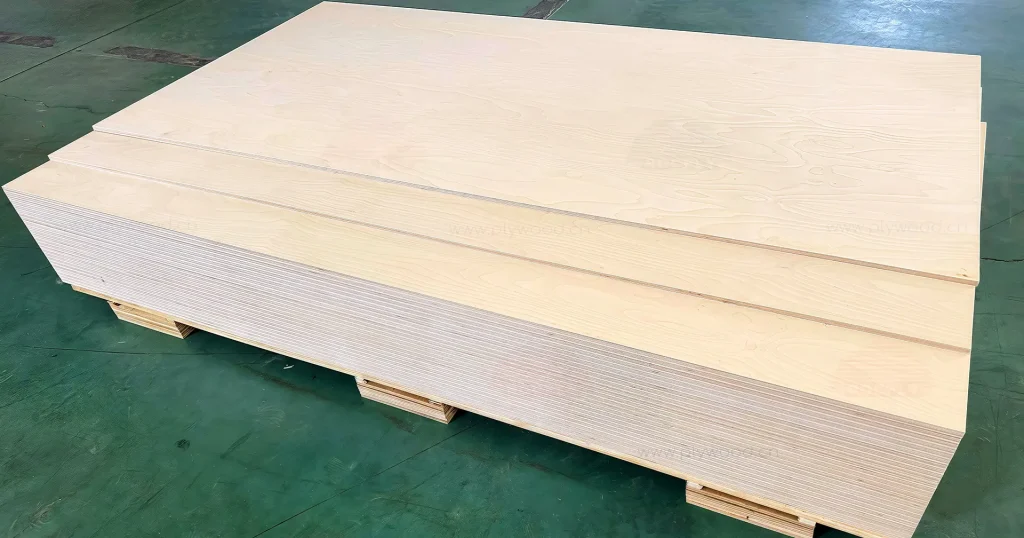
Which product route a plywood supplier should recommend
The table below reflects how ROCPLY separates product routes across its current offer and how buyers should think about the first supplier conversation. The point is simple: start with the job, then move to the panel, then ask for the right proof.
| Buyer situation | Better product route | What to ask the plywood supplier first |
|---|---|---|
| House framing, bracing, structural floors | Structural plywood | Which grade, certification path, and brand marking apply |
| Interior cabinets, displays, non load bearing fit out | Non structural plywood | What face grade, adhesive, and sheet size options are stocked |
| Wet rooms, marine jobs, harsh humidity | Marine plywood | What waterproof bonding and wet service proof can be shown |
| Decorative wall lining and interior cladding | Wall plywood or panel products | What finish, thickness, and fixing method suit the job |
| Mixed merchant orders across building products | One stop supply model | Can one supplier consolidate plywood, LVL, OSB, MDF, and panels |
This is why the best supplier conversations start with end use, not with unit price. The supplier should be able to move the buyer to the right lane fast. If not, the buyer will usually end up comparing the wrong offers.
The plywood supplier questions that protect margin
Before a PO is issued, buyers should ask questions that expose weak supply discipline early. Keep the list short, but make each question count. A good plywood supplier should answer these without delay.
- Which product family fits my end use and service conditions
- Which standard, certification, or bond class supports the claim
- What thicknesses, sizes, and face grades are normal stock
- How is each pallet or sheet branded for traceability
- What moisture content and storage conditions apply at despatch
- Which documents support FSC, PEFC, CARB, or other claims
- What stays consistent from sample to bulk order
- What happens if a batch arrives outside spec
Questions like these do more than reduce technical risk. They also protect gross margin. Merchants lose money when sheets arrive off-size, off-grade, or off-story. Contractors lose money when the panel does not suit the site condition. Joinery shops lose money when faces, cores, or emissions claims shift from batch to batch. A plywood supplier that can answer clearly is usually easier to grow with.
Fast answers for buyers comparing plywood suppliers
What makes a plywood supplier reliable
Reliability starts with range clarity, repeatable specs, and document discipline. It gets stronger when the supplier can show product separation for structural, interior, wet service, and panel use rather than using one sales line for every job. ROCPLY site structure is useful for that reason. Buyers can see quickly whether the company understands application-based selling instead of broad, generic promises.
Should you buy from a plywood manufacturer or plywood wholesaler
That depends on the order. A manufacturer may help on production control and custom runs. A wholesaler may help on stock depth and mixed loads. A supplier that works across both roles can be useful when buyers need repeat volume with fewer handovers. ROCPLY describes itself as both manufacturer and wholesaler across several parts of its site, which supports that one stop positioning.
What proof a plywood supplier should show first
Start with grade fit, certification fit, and traceability fit. Then check sizes, moisture range, and adhesive route. For structural panels in Australia and New Zealand, AS NZS 2269 remains the key structural plywood standard. That is why a strong supplier conversation should move from “what is your price” to “what proof supports this grade.”
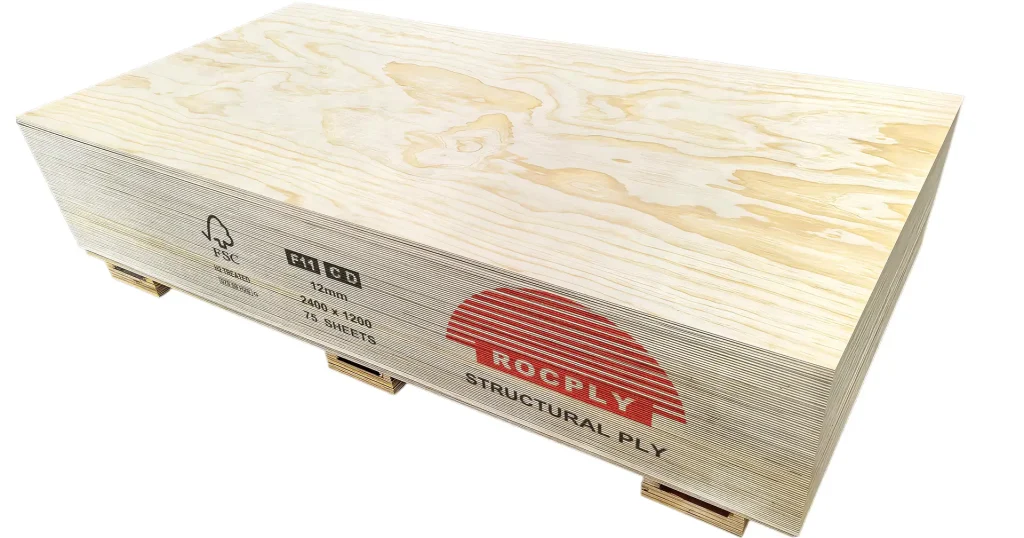
A better way to send the next plywood supplier inquiry
The next email to a plywood supplier should not ask for “best price plywood.” It should ask for the right panel, the right proof, and the right repeat supply plan. On ROCPLY, the cleaner buying route is already visible. Structural work goes to structural plywood, interior non load bearing work goes to non structural plywood, wet exposure goes to marine plywood, and interior wall use can move through wall plywood. That kind of product logic is what buyers actually search for when they type plywood supplier. It turns an inquiry into an order with fewer surprises.
A smart inquiry also gives the supplier something useful to work with. Include your end use, target market, size, thickness, face grade, compliance needs, and expected order volume. When the buyer sends better information, the supplier can make a better recommendation. That is how better orders start.
Post time: May-25-2026