
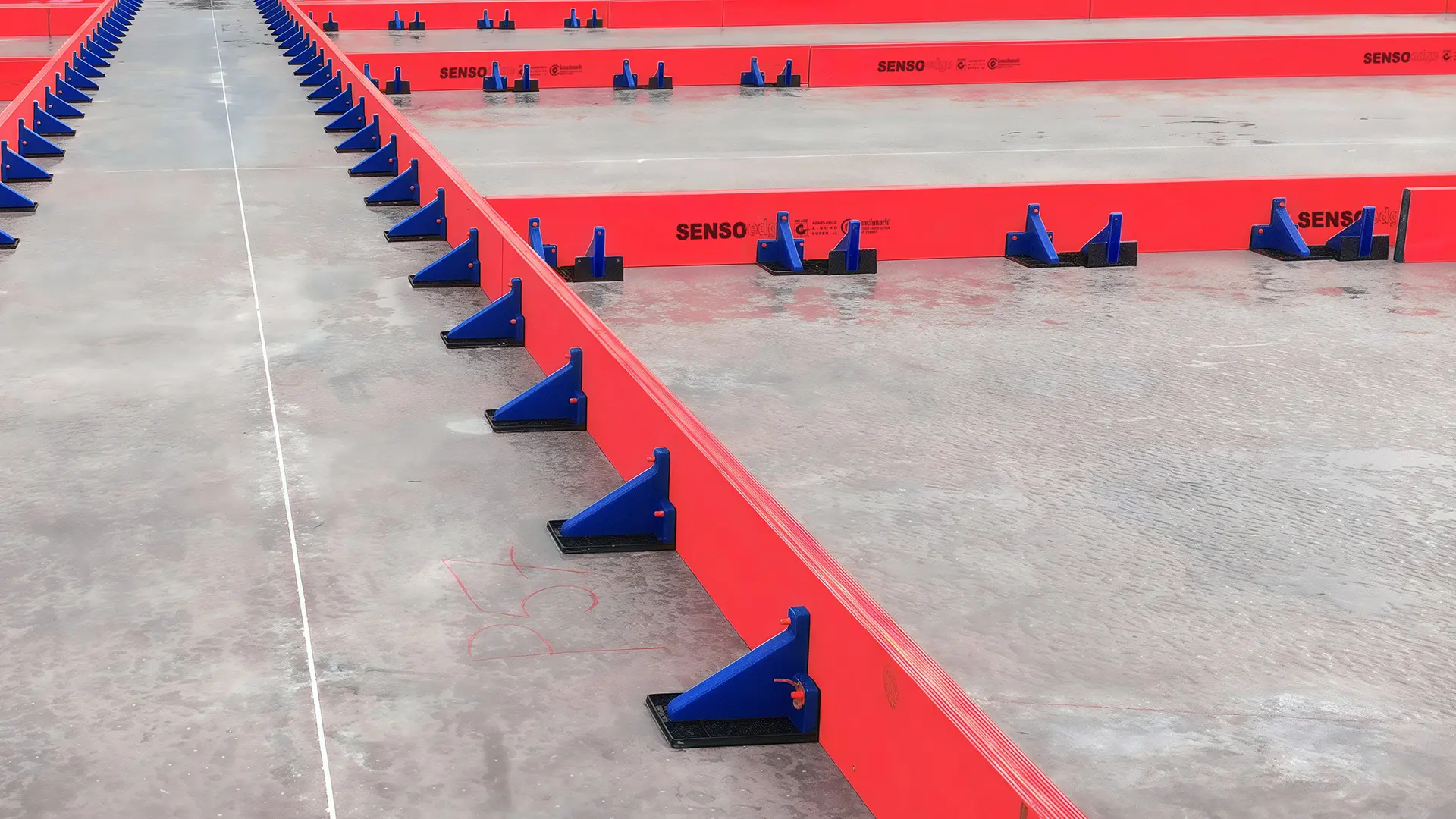
Plinth beam work looks simple on a drawing, yet the result depends on many small decisions made before the concrete arrives. Builders want a straight lower line, stable support, fewer cracks, and less correction later. Buyers want edge boards that crews can handle quickly and trust through wet site conditions. For that reason, the beam design matters, but the forming method matters just as much.
At this stage of construction, even a small formwork problem can slow the whole job. A poor edge board can twist the line, waste labour, and leave a rough starting point for the wall above. By contrast, a better edge board helps the crew set out faster and hold a cleaner run during the pour. That is why many contractors now choose SENSO Edge Form LVL when they want more control in plinth beam work.
What a plinth beam does on site
Builders place a plinth beam between the foundation zone and the wall line above. In practical terms, it gives the lower part of the structure a firmer and more level base. As a result, the building starts from a more stable line before masonry, finishes, and external work move ahead. On many jobs, that lower beam also helps reduce the chance that uneven ground movement will later show up as wall cracks or alignment trouble.
Most teams ask about a plinth beam because they want a practical answer, not a theoretical one. They want to know whether it will support the wall line better, improve lower-level stability, and make the early stage of work easier to manage. Although the structural engineer decides where and when to use it, the site crew still needs to form it accurately. Once the concrete hardens, the edge line stays there for the life of the job.
Why lower level concrete work often loses time
Lower-level beams often lose time before the pour even starts. Traditional timber can vary in straightness. Rough boards can force crews to sort pieces one by one. Wet weather can also make alignment harder. Because of that, teams often spend too long packing, checking, and correcting the run before they can pour. None of that improves the building. It only adds cost and slows the schedule.
The next problem is edge definition. If the form line moves or bows, the plinth beam can look uneven even when the structural work remains sound. Then the next trade pays the price. Masons, renderers, and finishing crews all work from the concrete line that comes first. Therefore, better control at the plinth beam stage usually makes the following work faster and cleaner.
Why edge control matters more than many buyers expect
Edge control is not a cosmetic issue. Instead, it affects setup speed, line accuracy, and waste. A straight edge board helps crews set out faster. A uniform section helps the run stay true. Better moisture resistance can also reduce movement before stripping. Taken together, those gains can save a surprising amount of labour across a long beam run or repeated pours.
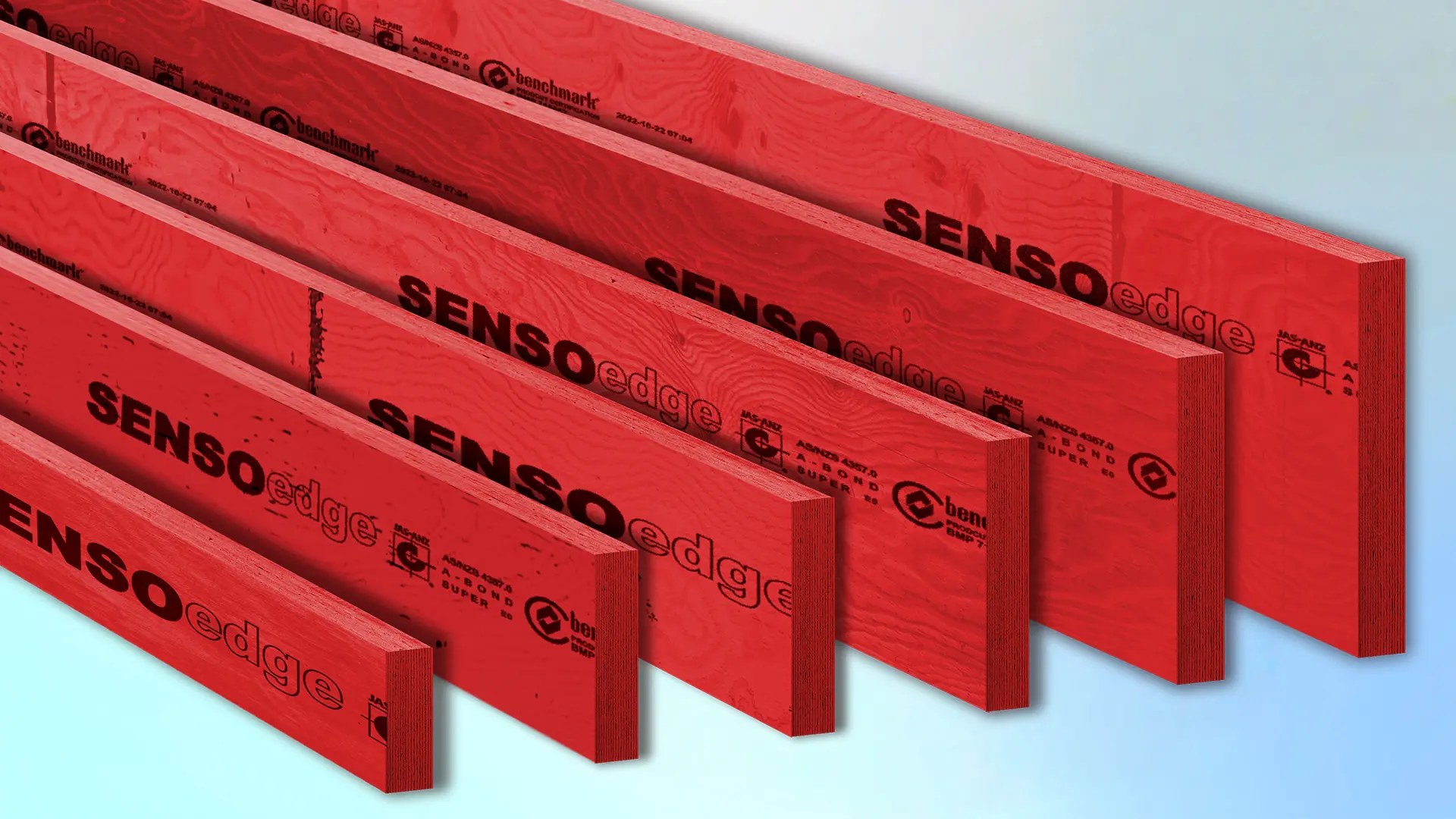
SENSO Edge Form LVL suits this type of work because crews need a product that behaves the same way from piece to piece. Engineered LVL gives them a more uniform edge board than mixed traditional timber. In addition, the bright red coating helps protect the board surface in wet concrete conditions and makes identification easier on site. That combination supports cleaner handling and more predictable results during plinth beam forming.
How SENSO Edge Form LVL fits plinth beam formwork
Consistent sizing makes setup easier
SENSO Edge Form LVL is an engineered product made for edge boards and precast concrete edge work. It comes in 36 mm thickness, with common depths from 100 mm to 450 mm. Standard lengths run from 3.6 m to 6.0 m, while special manufacture can reach longer sizes when the job requires them. Because beam depths and run lengths vary from project to project, that range helps buyers match the board more closely to the actual plinth beam detail.
Straighter boards reduce avoidable correction
On site, the biggest benefit is simple. SENSO gives crews a straighter and more uniform edge board. It also offers lighter handling than many solid timber alternatives. Consequently, the team can place boards more quickly and spend less time correcting variation from one piece to the next. That improvement may sound small, yet it becomes clear very quickly on repetitive work or long lower-level runs.
Moisture protection supports daily concrete work
Concrete work rarely waits for perfect weather. For that reason, moisture performance matters in any plinth beam forming routine. SENSO Edge Form LVL uses a protective red coating that helps the product cope better with wet site conditions. The layered veneers also help reduce cupping, so the board holds its shape more reliably during use. When crews need dependable edge material day after day, that kind of stability matters.
It works best as part of a complete formwork plan
No single product should do every job in a formwork system. The edge board controls the side line. The face material shapes the concrete finish. Support members carry load where needed. Therefore, SENSO Edge Form LVL works well alongside SENSO Form LVL for formwork timber applications and concrete form plywood where a cleaner face finish matters. On larger slab and wall systems, H20 formwork beams can complete the support plan. Where project documentation calls for structural LVL references, buyers often review the framework set out under AS/NZS 4357.0:2022.
| Site question | What usually matters on the job | Practical answer |
|---|---|---|
| Do we need a plinth beam here | Ground condition, design, and wall support | Confirm the structural need with the project engineer and then match the formwork to the specified beam |
| Why is the edge line so important | Cleaner concrete, faster follow-on work, less correction | Use straight and uniform edge boards to keep the line stable during the pour |
| Why use engineered LVL instead of mixed timber | Less variation and easier handling | Engineered LVL gives crews more consistent sizing and straighter pieces |
| What should be paired with edge boards | Face finish and structural support in the formwork system | Combine edge boards with form plywood, Form LVL, or H20 beams where the job requires them |
Plinth beam and tie beam do not mean the same thing
Many buyers mix up these two terms. A plinth beam belongs near the lower part of the structure, where foundation work meets the wall line. A tie beam serves a different role elsewhere in the structural frame. Since both use the word beam, people often assume they are interchangeable. However, that mistake can lead to the wrong discussion, the wrong quantity take-off, or the wrong product choice.
The same rule applies to formwork materials. A face board should not try to do the work of an edge board. Likewise, an edge board should not replace a support member. When each product handles the job it was made for, the whole system performs better and crews work with fewer surprises.
What buyers should check before placing an order
Start with the beam depth shown on the drawings. Then confirm the run lengths, the expected number of reuses, and the likely site conditions during the pour. After that, check whether the project needs standard stock or special sizes. Also ask how much cutting the crew wants to do on site. A straighter and more uniform board can save time before the first nail even goes in. If the project team requires formal product language for structural laminated veneer lumber, it also helps to review the relevant AS/NZS 4357.0:2022 standard.
It also helps to think about the next trade, not only the pour crew. A cleaner plinth beam line gives masons a better base to work from. Better edge control can also support a neater lower line for finishes. Because of that, experienced contractors often compare the full site effect instead of looking only at unit price. If responsible sourcing matters on the job, buyers can also review how timber products are tracked through FSC Chain of Custody or PEFC Chain of Custody requirements.
Questions builders keep asking
What is a plinth beam in simple terms
Builders place a plinth beam above the foundation and below the wall line to give the lower part of the building firmer support.
Does every project need a plinth beam
No. The structural design, soil condition, and project requirements decide that point.
Why does the edge board matter if the beam is concrete
The edge board shapes the concrete during the pour. Therefore, a straighter and more uniform board helps crews control line, finish, and setup speed.
Why choose SENSO Edge Form LVL for plinth beam work
SENSO gives crews an engineered edge board with better consistency, straighter pieces, and practical handling for concrete forming work.
Can one board handle every forming job
No. Edge boards, face boards, and support members each serve a different role in a good formwork system.
Better lower level work starts with better control
Plinth beam work looks easy until line control slips and rework begins. For that reason, the choice of edge board deserves more attention than it often gets. When the design calls for a plinth beam, the formwork should help crews work faster, hold straighter runs, and leave a cleaner result for the trades that follow. SENSO Edge Form LVL suits that role because it is built for edge forming work rather than borrowed from a less suitable use.
Concrete finishes the beam after the pour. The edge form controls the result before that moment arrives.
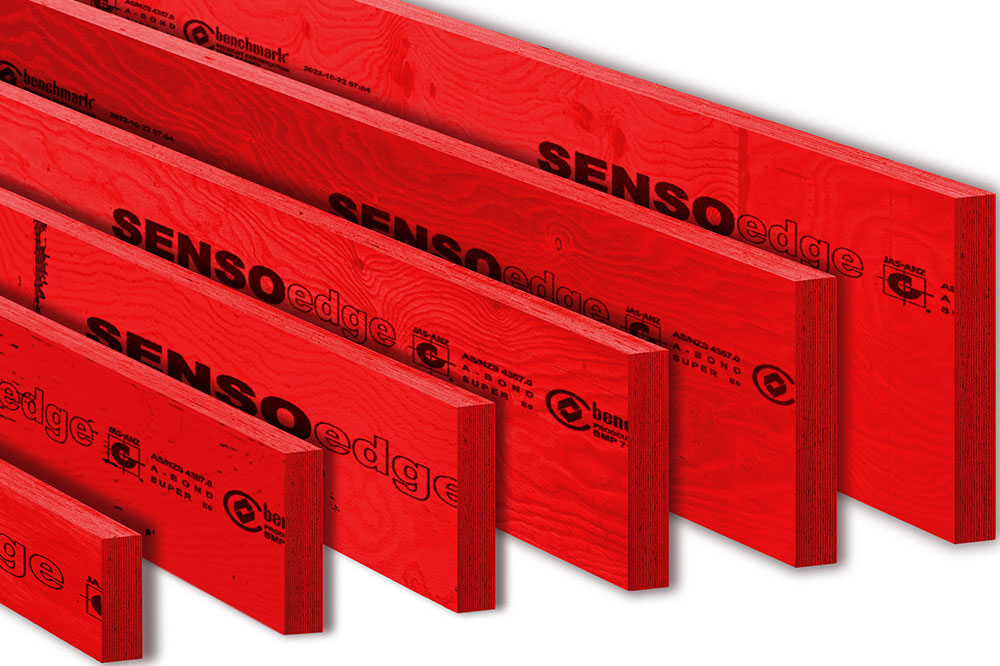
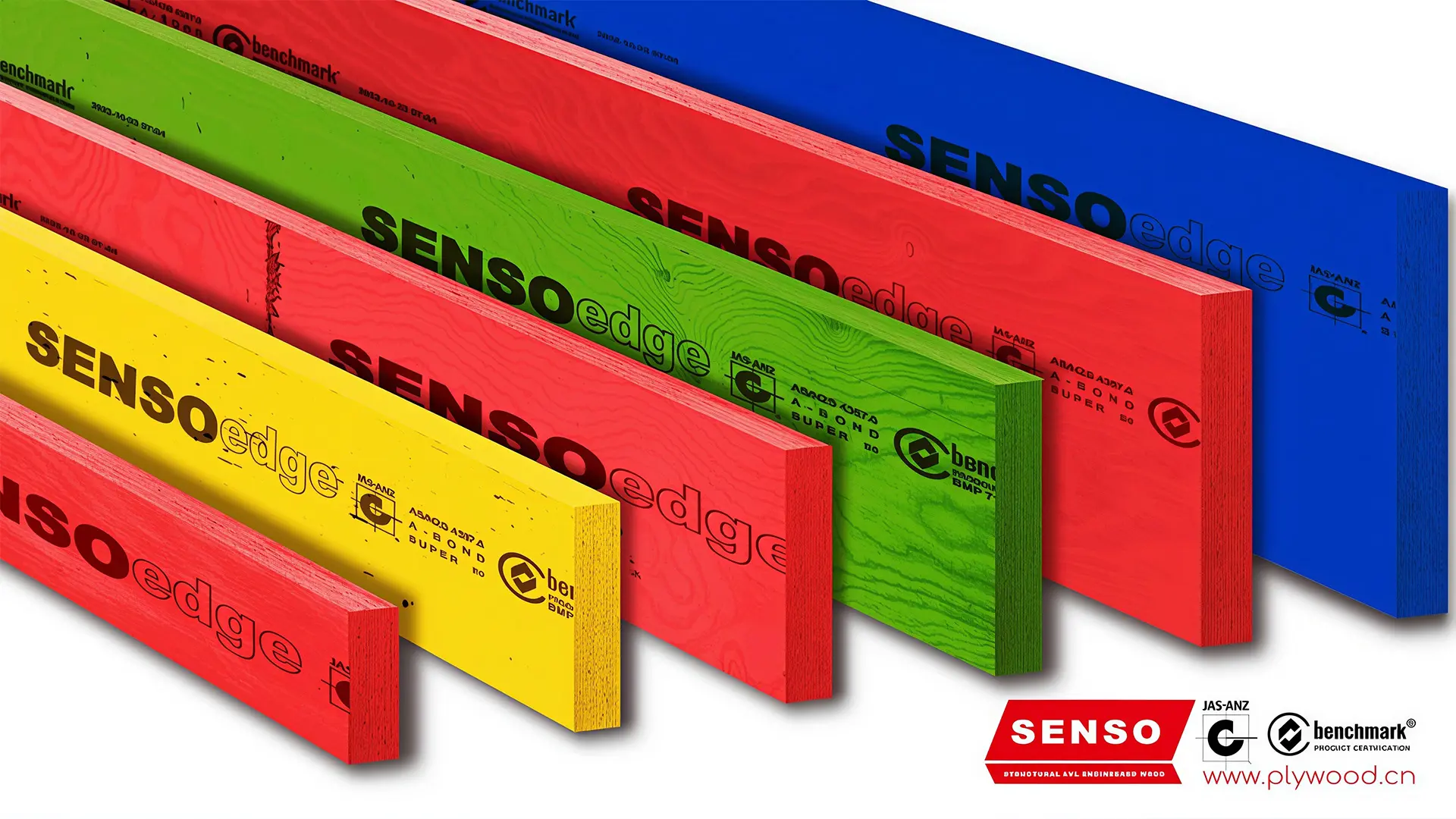
SENSO Edge Form LVL
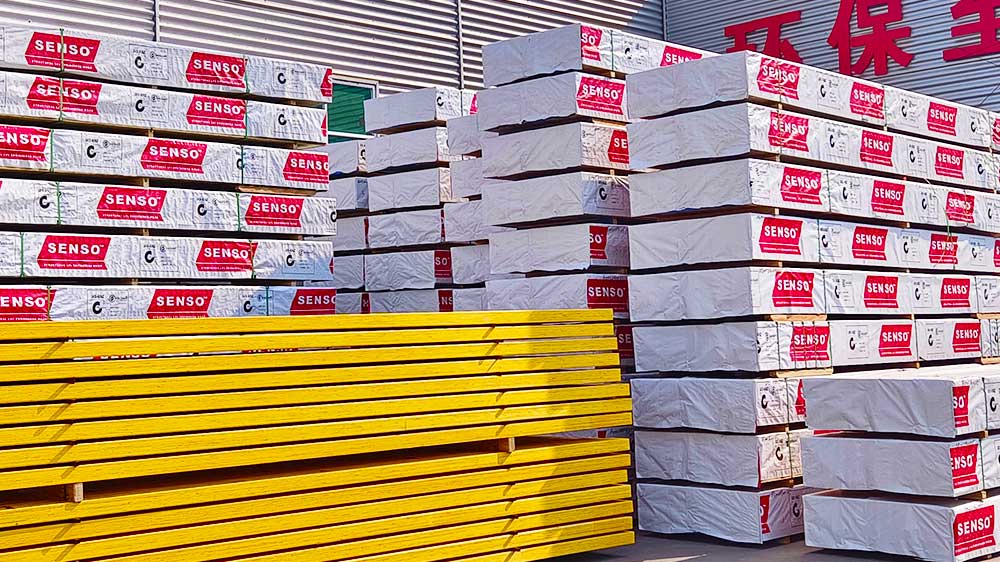
LVL Timber
In the realm of commercial construction, structural integrity is paramount. ROCPLY Laminated Veneer Lumber (LVL) beams, recognized for their superior strength and durability, play a significant role in building robust structures that withstand the test of time.
Unveiling ROCPLY LVL Timber
ROCPLY LVL Timber are crafted with meticulous precision, harnessing the strength of laminated wood. These beams, renowned for their structural features like cross-orientation, superior strength, stiffness, and dimensional stability, redefine construction standards.
ROCPLY Advantages in Commercial Construction
ROCPLY LVL Beam bring multiple benefits to commercial construction:
- Superior Strength and Stability: ROCPLY LVL Timber ensure buildings are robust, long-lasting, and resilient.
- Flexibility and Customization: Our LVL Beams can be tailored to suit diverse construction requirements.
- Cost-Effectiveness: ROCPLY strikes the perfect balance between quality and affordability.
- Sustainability: We uphold green practices, ensuring our products are environmentally friendly.
- Moisture and Fire Resistance: ROCPLY Structural LVL are designed to resist moisture and fire, enhancing safety.
- Variety and Aesthetic Appeal: We offer a range of sizes and decorative options, catering to various aesthetic needs.
Adherence to Industry Standards
ROCPLY commitment to quality shines through in our adherence to strict JAS-ANZ standards. Our laminated wood LVL surpass these standards, reinforcing our commitment to delivering high-performance and reliable products.
LVL Timber: Enhancing Structural Integrity
ROCPLY LVL Beams are vital to maintaining a building’s structural integrity. With outstanding load-bearing capacity, shear strength, dimensional stability, and resistance to humidity, our LVL Beam uphold the structural rigidity of buildings, meeting diverse architectural demands.
Diverse Industries and Applications
ROCPLY LVL Timber are embraced across numerous industries, including commercial construction, interior design, furniture manufacturing, and many more. The superior quality and versatility of our products make them the first choice for various applications.
Choose ROCPLY LVL Timber
ROCPLY LVL Beam are a testament to our unwavering commitment to quality, performance, and sustainability. They enhance the structural integrity of commercial buildings while catering to diverse architectural needs. Discover more about ROCPLY range of LVL timber products, connect with our sales team, or make your purchase today – we’re ready to redefine your construction experience.
Post time: Apr-23-2026