
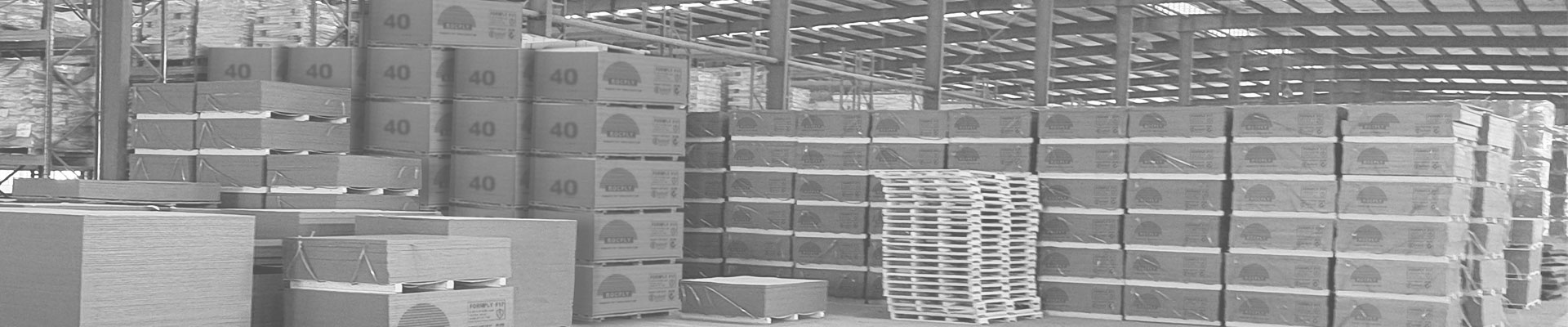
MR plywood causes more buying mistakes than most interior panels. Buyers often ask for MR plywood when they really mean a waterproof sheet. Suppliers quote the product without checking the room, the glue, or the edge risk. Then the job reaches a sink run, a damp wall, or poor storage, and the board gets blamed for the wrong reason. On the ROCPLY, the range already separates non structural plywood from structural plywood. That matters, because the right panel starts with service conditions, not the lowest quote.
Where most MR plywood orders go off track
The first buying rule is simple. This grade is meant for interior use where humidity changes, but water does not stay on the sheet for long. ROCPLY own guidance places it in furniture, joinery, display work, dry wall linings, and similar fit-outs. The same page also tells buyers to move away from this material in balconies, wet bathrooms, exterior zones, and other places where edges stay wet for hours. That is the real decision line, and it is where many avoidable claims begin.
This is why the term creates so much confusion in the market. Many people hear “moisture resistant” and assume the board is safe anywhere near water. That is not how MR plywood should be understood. The name means the sheet is built for normal indoor moisture swings. It does not mean the panel should face routine soaking, direct weather, or long wet cycles. Once the room behaves like a wet zone, the buying logic has to change. Buyers who want a formal grade reference often look at IS 303 guidance from BIS, where MR, BWR, and BWP sit in a clearer product framework.
What MR plywood really promises before the sheet reaches site
Why the label does not mean waterproof
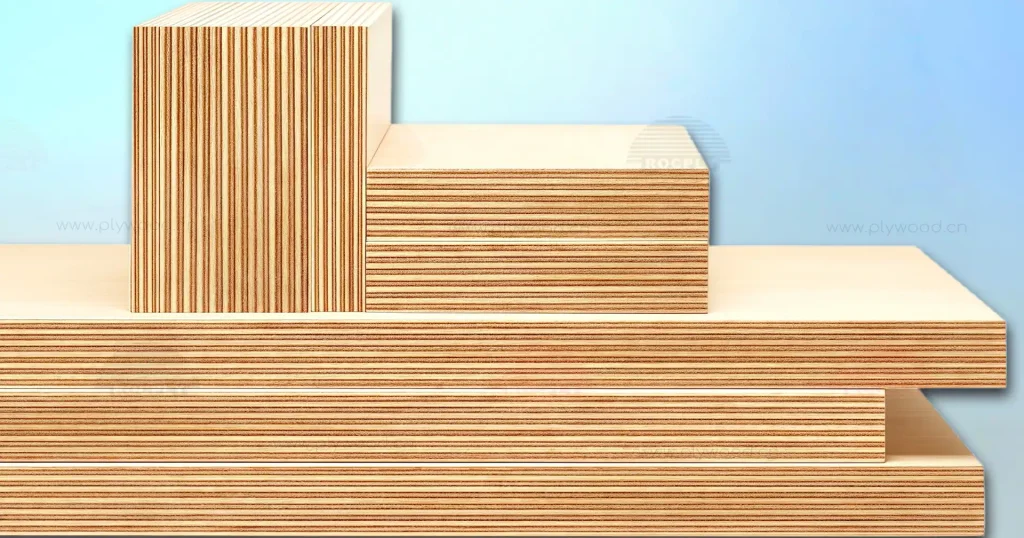
For global buyers, MR plywood has a standards context as well as a trade meaning. In many markets, it is treated as an interior panel built for moderate humidity, not as a waterproof sheet. ROCPLY’s current article also notes that products sold under this grade may use different glue systems, including UF and, in some cases, reinforced systems for higher-humidity interiors. Two boards sold with the same short label can therefore behave quite differently once they reach site.
Why service conditions matter more than the sales term
A second point matters just as much. Adhesive durability and real service conditions are not the same thing as a broad marketing claim. APA explains that bond classification relates to the moisture resistance of the glue bond and its effect on structural integrity. It also distinguishes exterior panels, which can withstand repeated wetting and redrying, from panels meant for more limited exposure. The lesson for buyers is clear. If the room will see regular splash, standing water, or outdoor cycling, this interior sheet is the wrong call. It helps to review how APA describes bond durability and exposure conditions before finalising the order.
Good rooms for MR plywood and the thicknesses that usually work
Interior applications that suit this grade
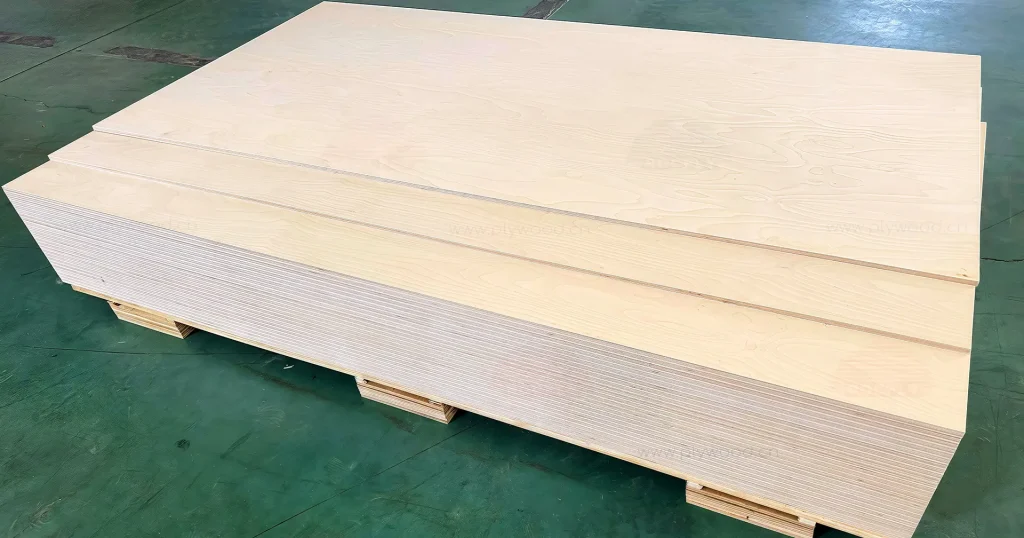
Used correctly, MR plywood is a smart and cost-effective fit-out material. ROCPLY positions it for indoor furniture, cabinets, decorative applications, and interior wall use. Its non structural plywood range also targets non-load-bearing work and is offered in common 2440 x 1220 sheet sizes across a broad thickness range. For wall work, ROCPLY wall plywood guidance points buyers to 9 mm to 12 mm for decorative cladding and 15 mm to 18 mm where stronger partitions or acoustic builds are needed.
- 9 mm to 12 mm for wall skins, decorative lining, and light partitions
- 15 mm to 18 mm for wardrobes, cabinet sides, and many carcasses
- 18 mm to 21 mm for heavier shelving where more support and stiffness are needed
How thickness affects value on the job
That gives buyers a practical shortcut. Do not jump to the thickest sheet by habit. Buy enough material for the load, but keep it inside the moisture zone it was built for. In interior jobs, good thickness choice often saves more money than chasing the cheapest base quote, because it reduces waste, over-spec, and call-backs. Buyers comparing cabinet and partition builds can also cross-check these choices with ROCPLY plywood sizes and span guide.
There is also a commercial reason many distributors like this type of board. Interior buyers usually want clean faces, stable thickness, low emissions, and fewer problems on cut edges. ROCPLY non structural plywood page lists E0 adhesive, moisture content at despatch of 8% to 15%, and certification options that include FSC and PEFC. Those details matter because many complaints begin with hidden variables such as a wet pack, unclear emissions class, weak face rules, or poor batch traceability. If sustainability claims matter on your project, it is wise to align them with official chain-of-custody systems such as FSC.
The point where another panel saves the job
When MR plywood stops being the right call
MR plywood stops being the right choice when the room stops behaving like a normal interior room. A bedroom wardrobe is not the same as a vanity base. A dry retail display is not the same as a laundry lining. A shelf in an office is not the same as a semi-exposed fit-out. Once repeated wetting enters the picture, the buyer should step up to another class of panel. On ROCPLY, that usually means moving toward marine plywood for direct moisture risk and structural products for engineered load-bearing work.
Why structural and marine grades should not be mixed with this one
That distinction matters in Australia and New Zealand as well. ROCPLY’s structural line is presented around AS/NZS 2269 certification, while Standards Australia identifies AS/NZS 2269 as the structural plywood standard. So structural plywood and MR plywood should never be treated as interchangeable names. One is chosen for engineered structural performance. The other is chosen for interior moisture resistance and fit-out value. Mixing those roles usually leads to either overbuying or underperforming.
| Use condition | Better panel choice | Why |
|---|---|---|
| Bedroom wardrobes and office cabinets | MR plywood | Stable and cost-effective for dry interiors |
| Retail displays and dry wall linings | MR plywood | Good workability and clean finish for fit-outs |
| Load-bearing floors, roofs, and bracing | Structural plywood | Built for engineered structural duty |
| Boat work, wet rooms, docks, and harsh humidity | Marine plywood | Designed for direct moisture and wet service |
| Concrete formwork and wet site cycling | Formply or film faced plywood | Built for wet construction routines and repeated site exposure |
The table above shows where MR plywood fits and where it should be replaced by a stronger or wetter-service panel. It also matches the wider rule that panel class should follow service conditions and job demands, not just price.
What belongs in the purchase order
The details that prevent disputes later
When a quote says MR plywood, the purchase order needs more than thickness and quantity. ROCPLY’s own interior pages point buyers toward the details that prevent disputes later. Start with glue type. Then confirm face and back grade rules, whether the board is sanded or calibrated, core construction and gap control for screw holding, emission class for the target market, and the packing standard. One more question saves a lot of trouble: what exact room or use case is this product approved for? A clear answer now is far cheaper than a claim after installation.
- Glue type and intended service condition
- Face and back grade rules
- Thickness tolerance and calibration status
- Core construction and gap control
- Emission class for the market
- Packing method, pallet base, and wrapping
- Batch marking and traceability
Why certification checks should stay in the order file
If the order carries a certified timber claim, verify that claim with the same care. Traceability is not a side note. It belongs in the same decision file as price, thickness, and face quality. Certified language should be easy to prove, not just easy to print. That is one reason many interior buyers compare specification sheets, certification status, and factory controls before approving mass supply.
Quick answers buyers ask before they commit
Is MR plywood waterproof
No. MR plywood handles normal interior moisture swings, but it is not built for standing water, outdoor weather, or long wet cycles.
Can MR plywood be used for kitchen cabinets
Yes, it can be used for many cabinet bodies in dry kitchen areas. Seal cut edges and avoid it where regular sink splash or leaks are likely.
What thickness is best for wardrobes and shelving
15 mm to 18 mm suits many carcasses. Shelves may need 18 mm to 21 mm when spans or loads increase.
What should a buyer ask before placing the order
Ask about glue type, emission class, face grade, core gap control, sanding or calibration, packing, and batch traceability before approval.
One last buying rule before sign-off
MR plywood is the right buy when the room stays dry, the job is non structural, and the specification is written with discipline. It is the wrong buy when water becomes routine, when load-bearing design matters, or when the supplier cannot explain the glue, the emissions class, and the batch standard in plain terms. ROCPLY already gives buyers a clear route across interior sheets, structural panels, and marine grades. The smartest sales move is not pushing one grade into every job. It is guiding the buyer to the panel that will not come back as a complaint.
Post time: May-18-2026