

Boat builders rarely get a second chance with material choice. When a panel sits close to bilges, lockers, deck fittings, or wet interior zones, failure usually starts small and then spreads. That is why marine plywood remains a serious buying decision for Australian boating projects. It is not just a sheet that uses waterproof glue. It is a panel category linked to stricter expectations on bond quality, veneer build, core control, and service reliability. Buyers who understand those checks make better choices and avoid costly repairs later.
In practice, marine plywood is used for bulkheads, cabinet work, bunks, seating bases, interior linings, and many other parts that must cope with high humidity or repeated wetting. It can also be used in selected dockside and marine construction work where moisture resistance matters. Even so, a good sheet still needs smart detailing. Exposed cut edges, fastener penetrations, and unfinished faces can shorten service life. A quality panel gives you a strong starting point, but good fabrication and finishing still matter on a boat.
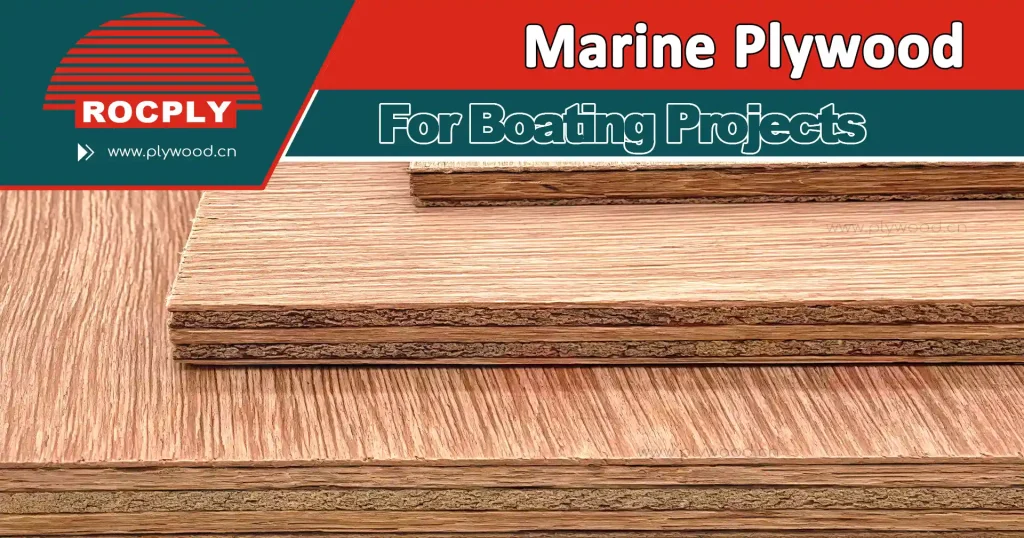
Why regular plywood often fails on boats
Standard plywood may perform well in dry interiors or lightly exposed outdoor jobs, but marine service is harder. Boats face splash water, trapped moisture, salt, heat, movement, vibration, and constant wet dry cycles. Those conditions stress both the glue line and the internal structure of the board. A cheap panel may look clean on the face, yet still contain weak inner veneers, voids, or inconsistent bonding that turn into trouble after installation.
This is the first mistake many buyers make. They compare boards as if all water resistant panels are the same. They are not. A board sold for general exterior use is not always the right option for a boat interior or a part that will live in a harsh marine environment. That is why marine plywood should be chosen by service duty, not by label alone.
What marine plywood actually means
Marine plywood is generally understood as plywood manufactured for demanding moisture exposure, with durable bonding and tighter expectations on panel quality. In the Australian and New Zealand market, buyers often refer to AS NZS 2272 Plywood Marine. In international trade, BS 1088 marine plywood requirements are also widely recognised. Those references matter because they move the conversation away from vague claims like waterproof board or boat panel.
It also helps to separate performance from sourcing. A chain of custody certificate from FSC is valuable for responsible procurement, but it does not replace a marine plywood standard. One document tells you about supply chain tracking. The other tells you what level of panel performance and build quality you should expect. Good buyers check both, but they do not confuse them.
If you are comparing products on ROCPLY marine plywood, you should focus on the stated standard, adhesive system, face and core quality, and whether the supplier can back those claims with clear product information. That approach is far safer than buying only on appearance or price.
Four checks to make before you compare prices
Check the claimed standard
Ask a direct question first. Which standard is this panel sold to? If the answer is vague, keep asking. A serious supplier should be able to explain whether the product is aligned with marine grade requirements, what bond classification it uses, and how the panel is described in its specification sheet. The clearer the answer, the lower your risk.
Check the glue and bond quality
Marine plywood is expected to use durable waterproof bonding systems, often described in trade language as WBP or A Bond depending on the market and specification context. This matters because wet service punishes weak glue lines quickly. Bond quality is one of the first things that separates true marine use panels from lower grade substitutes.
Check the veneers and the core
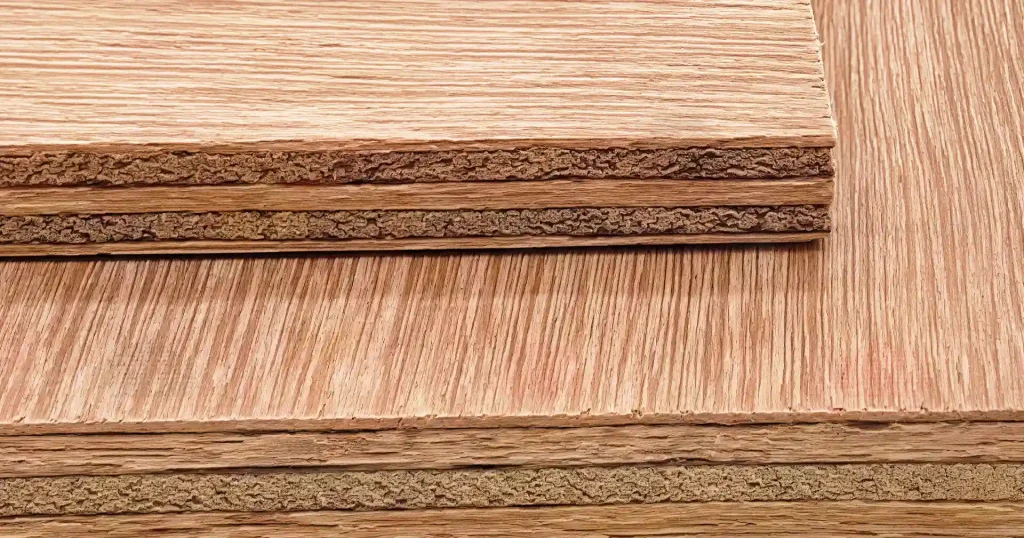
The face sheet is only part of the story. You also need to know what is happening inside the board. Core gaps, rough joints, inconsistent veneer thickness, and poor assembly can reduce fastener holding, create weak points, and give moisture an easier path into the panel. For boat work, cleaner core construction often matters just as much as a smooth face.
Check whether the thickness fits the job
Do not buy by habit. A thickness that worked on one boat project may not suit the next. Light interior linings, curved skins, seating parts, soles, partitions, and bulkheads all place different demands on the board. The right choice depends on framing, span, load, fastener type, and how exposed the part will be once installed.

A quick guide to thickness and common boat parts
| Typical thickness | Common use | Buying note |
|---|---|---|
| 4mm to 6mm | Light linings, curved panels, small cabinet parts | Useful where shaping and low weight matter more than load capacity |
| 9mm | Seats, locker fronts, partitions, interior joinery | A practical middle option for many non primary structural parts |
| 12mm and above | Bulkheads, soles, stronger framing related parts | Should be matched to support spacing, fastening, and service conditions |
The table above is only a starting guide. Final thickness should always be checked against the real design need. Boats vary. A panel in a lightly loaded locker door is not doing the same job as a panel that supports traffic, hardware, or repeated stress. When the use becomes structural, the buyer should compare marine requirements with other engineering demands as well, especially if the project also involves building components better served by structural plywood.
Marine plywood compared with exterior and structural panels
| Panel type | Best fit | Main advantage | Main limit |
|---|---|---|---|
| Marine plywood | Boats, wet marine interiors, demanding moisture zones | Better suited to harsh moisture exposure and higher quality expectations | Higher cost and still needs sealing and finishing |
| Exterior plywood | Outdoor building work and general weather exposure | Good for many external jobs at a lower cost | Not always the best choice for marine duty |
| Structural plywood | Load bearing building systems | Engineered for structural performance | Structural grade does not automatically mean marine grade |
| General waterproof plywood | Moisture prone construction and fit out work | Useful in many wet area applications | Specification quality varies widely between suppliers |
This comparison matters for buyers on mixed projects. Some jobs need marine plywood. Others may be better served by standard plywood, a structural panel, or a waterproof panel used outside true marine service. Buying the correct panel category keeps the specification cleaner and can also control cost more effectively.
Common mistakes that create trouble later
- Buying on face appearance alone
- Assuming every waterproof board is marine plywood
- Treating FSC paperwork as proof of marine performance
- Choosing thickness by habit instead of by job duty
- Ignoring edge sealing after cutting and machining
- Leaving panels in poor storage before fabrication
Storage is often overlooked. A good board can lose value quickly if it is left flat in standing moisture, stored without ventilation, or exposed to unnecessary weather before installation. Boat builders who protect panels from the start usually get better results at the finish. The sheet you buy matters, but the way you handle it matters too.
If your project also includes damp construction areas away from the boat itself, it can be helpful to compare marine boards with other moisture resistant products such as waterproof plywood. That comparison can stop over specification in one area and under specification in another.
What a smart supplier should be able to answer
Before you place an order, ask the supplier for one clear set of answers. What standard is claimed? What adhesive or bond language is used in the specification? Face and core quality should you expect? What thicknesses and sizes are available? What storage, sealing, coating, and maintenance steps are recommended after cutting? If those answers come back clearly and quickly, you are usually dealing with a stronger supply option.
That is also why many buyers prefer to work with suppliers who offer a broader plywood range. A supplier that can show marine plywood alongside structural and general purpose panels is often better placed to advise where each board fits. For Australian buyers, that reduces guesswork and supports a more accurate specification from the start.
FAQ
What is marine plywood used for
Marine plywood is used for boats, wet area joinery, bulkheads, lockers, seating bases, cabinets, and other parts exposed to high humidity or repeated moisture.
Is marine plywood waterproof
Marine plywood uses durable waterproof bonding systems, but finished performance still depends on edge sealing, surface protection, and correct installation.
Is marine plywood better than exterior plywood for boats
For most boating projects, yes. Marine plywood is usually the safer choice when the panel will face demanding moisture exposure and higher service expectations.
Does FSC certification mean the board is marine grade
No. FSC certification supports responsible sourcing and chain of custody. It does not replace a marine plywood standard or prove marine performance by itself.
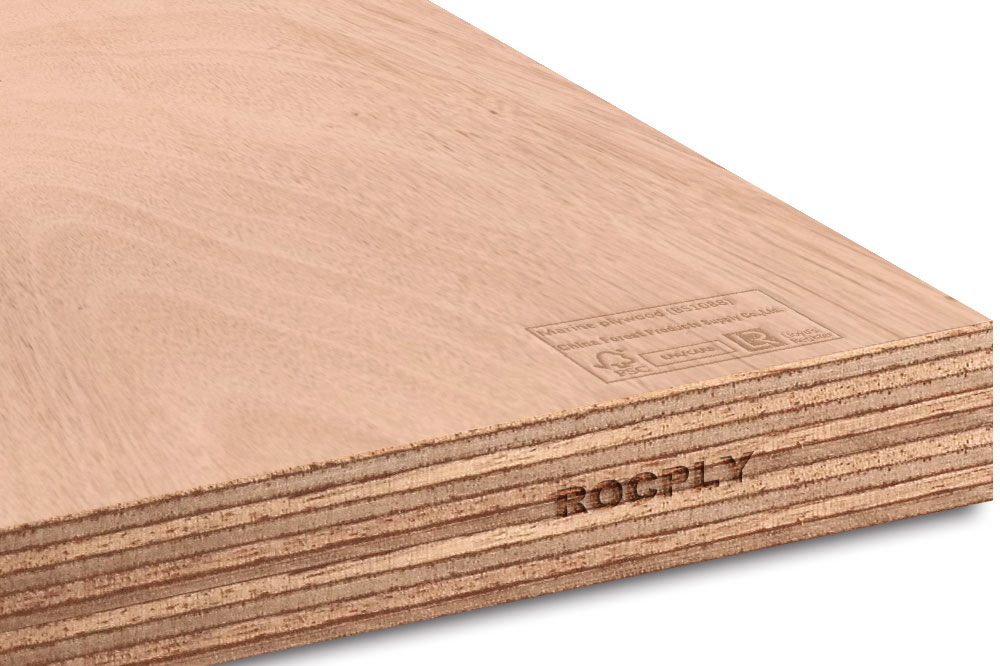
Marine Plywood BS1088 Certified
Post time: Mar-30-2026