
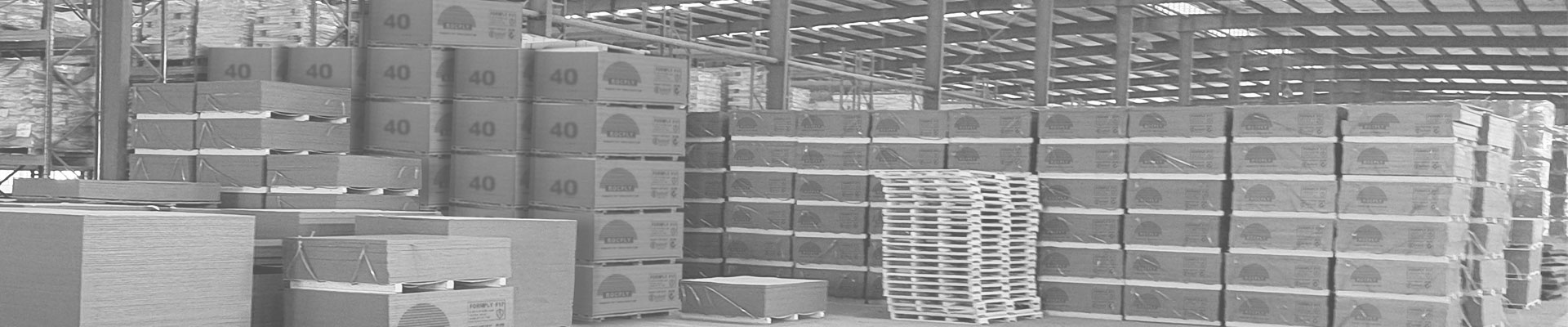
The cheapest film faced plywood rarely stays cheap after the third or fourth pour. Buyers often start with sheet price, but the real cost sits elsewhere. It sits in edge breakdown, poor release, rough concrete finish, short reuse life, and the labour needed to patch defects after stripping. That is why film faced plywood should be judged by cost per pour, not by day-one price alone.
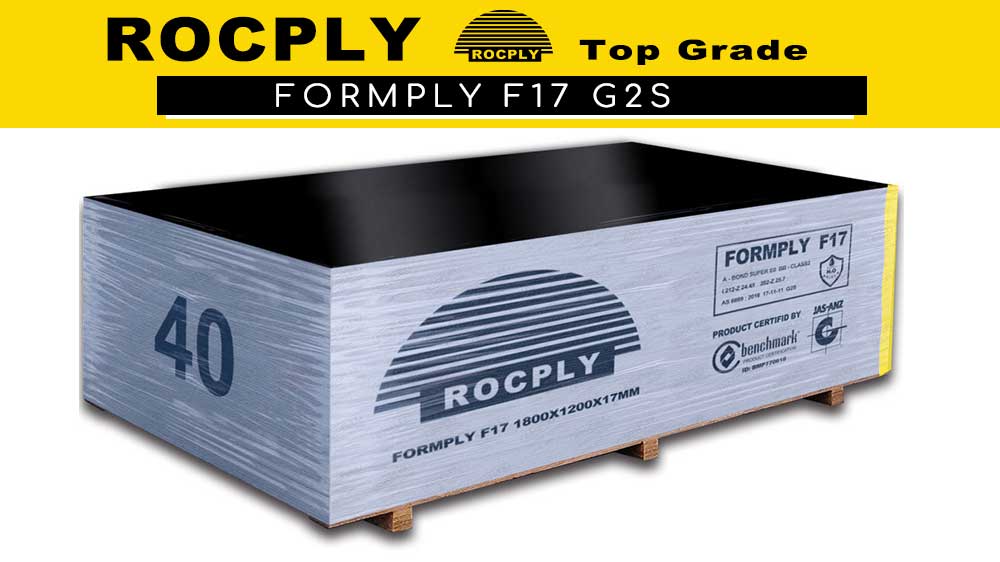
On ROCPLY, the formwork range is positioned around practical site value rather than vague product claims. The brand separates F14 Formply, F17 Formply, and F22 Formply into distinct buying routes, while broader formwork content explains why film faced plywood matters in wet concrete work. That is important because serious buyers no longer ask only what film faced plywood is. They ask how long it lasts, how smooth the finish will be, and which sheet will lower real project cost.
Why film faced plywood gets misbought so often
The first mistake is treating every dark-faced panel as the same product. It is not. A film faced plywood sheet may look similar from a distance, yet still behave very differently under load, moisture, and repeated stripping. ROCPLY’s own formwork content separates performance by grade, overlay, and intended use. That means buyers are not choosing a colour. They are choosing a working system built around surface, core, bond, and job demand.
The second mistake is buying film faced plywood on unit price alone. That shortcut often leads to more panel damage, more concrete repair, and fewer reuse cycles. ROCPLY’s guidance on form plywood connects value to smooth finish, moisture resistance, strength, and repeated use. When those points are handled well, a higher-priced sheet can still become the cheaper option across the job because it reduces replacement, patching, and downtime.
Is film faced plywood waterproof enough for wet concrete
A better question is not whether film faced plywood is waterproof in an absolute sense. The better question is whether it is built for repeated exposure to wet concrete and normal formwork moisture. ROCPLY concrete form plywood guidance explains that the resin-impregnated face helps resist moisture and abrasion while improving release from cured concrete. That is why film faced plywood is widely used in shuttering and formwork cycles.
Still, wet-service resistance is not the same as permanent water exposure. ROCPLY’s comparison between formply and marine ply makes that difference clear. Formply is sold around concrete pressure, repeated pours, and site handling. Marine plywood fits projects where long-term water exposure becomes the core issue. For buyers in Australia, the standards context also matters. AS 6669 2016 remains the key reference for formwork plywood, which is why buyers should ask what standard the panel is intended to meet before approving a quote.
What controls film faced plywood finish quality and reuse
The face matters but the full build matters more
A clean concrete finish does not come from the film surface alone. ROCPLY’s higher-grade formply lines connect finish quality to the phenolic overlay, the bond system, and the stability of the full panel. The film matters because it affects release and wear. The core matters because it affects stiffness and resistance to breakdown. The glue matters because wet concrete and repeated handling will quickly expose weak bonding. Buyers looking at film faced plywood should judge the full build-up, not just the surface description.
Site handling changes the reuse result
Reuse is partly a product question and partly a site question. ROCPLY’s own guidance points to correct support, proper handling, and good installation practice as part of the result. In real work, film faced plywood can fail early if sheets are dragged, dropped, poorly braced, or left with damaged edges after stripping. That is why two crews can buy a similar panel and still get very different reuse cycles. Good site practice protects the value already built into the board.
This is also where buyers need to think like project managers, not just purchasers. A sheet that strips cleaner and stays flatter can save labour every cycle. That benefit is harder to see on the quote, but it shows up fast on site when deadlines tighten and concrete finish quality starts to matter.
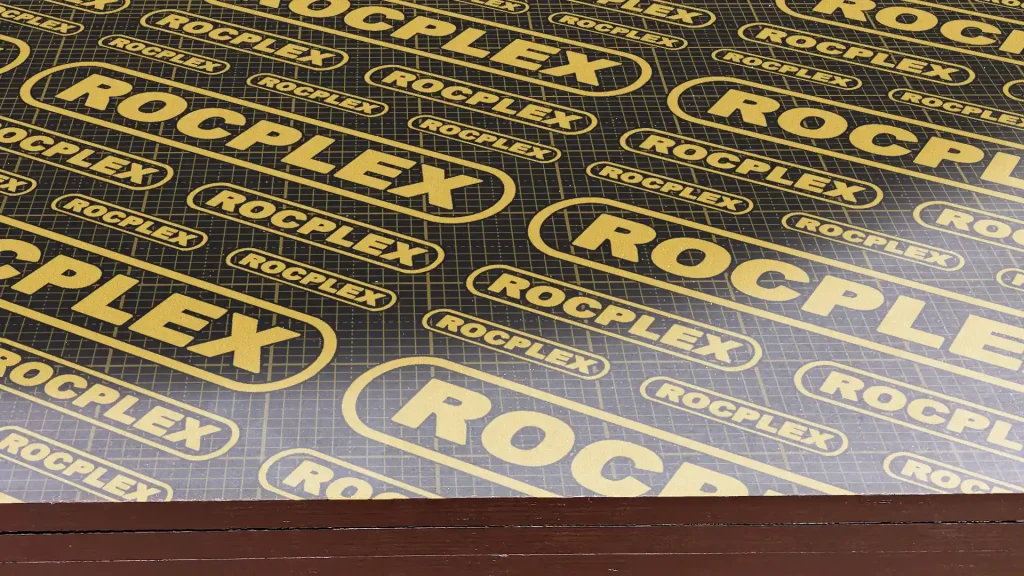
Which ROCPLY film faced plywood route fits your pour schedule
Many buyers search for film faced plywood as if it were one standard item. The better move is to match the sheet to the pour pattern, finish expectation, and structural demand of the job. ROCPLY’s current formwork offer gives a useful route through the range.
| Job condition | Better ROCPLY route | Why buyers move there |
|---|---|---|
| General decks, precast work, tilt-up panels | F14 Formply | Built for general formwork with a practical balance of finish and value |
| Repeat pours with stronger reuse focus | F17 Formply | Positioned around reusability, strength, and a cleaner concrete finish |
| Tableforms, shutters, columns, and system formwork | F22 Formply | Higher demand route with high-density phenolic overlay and broader formwork use |
| Heavy civil work and higher finish expectations | F27 Formply | Chosen when finish durability and stronger site performance become more important |
| Ramps, decks, vehicle floors, and walkways | Anti Slip Plywood | Textured face for traction rather than standard concrete shuttering |
| Projects with continuous water-heavy exposure | Marine plywood | Better fit when long-term moisture service matters more than formwork cycling |
The table above reflects a simple truth. Not every film faced plywood inquiry should end with the same answer. Buyers who match the grade to the work pattern usually get better reuse, more stable finish quality, and fewer surprises on site.
What buyers should lock into a film faced plywood order
A safe order starts with more than thickness and quantity. Buyers should confirm the stress grade, overlay type, core build, adhesive route, marking, and intended use. ROCPLY’s F22 content highlights branding for identification and evidence of compliance. That matters because a traceable sheet is easier to inspect, easier to sort in the yard, and easier to defend in a dispute when something goes wrong.
- Stress grade and intended formwork duty
- Overlay type and expected finish level
- Core build and thickness tolerance
- Bond system and water-resistance claim
- Brand marking and traceability on sheet or pack
- Recommended handling, edge care, and storage practice
- Expected reuse range for the actual job condition
If certified sourcing matters, that should be checked before approval, not after shipment. FSC chain of custody and PEFC chain of custody both matter when project work requires verified forest-based material. For some buyers, that paperwork matters almost as much as the face film, especially where tenders or compliance reviews are involved.
Quick answers buyers still ask about film faced plywood
How many times can film faced plywood be reused
There is no honest fixed number for every job. ROCPLY form plywood guidance shows that phenolic form panels can often be reused many times, but the result depends on panel build, support, stripping, storage, and site care. Any promise that ignores job conditions should be treated with caution.
Does film faced plywood give a smoother concrete finish
Yes. That is one of the main reasons buyers choose it. The smooth film face helps the panel release more cleanly, and that supports a more consistent concrete surface with less remedial work after stripping.
Is cheap film faced plywood ever the right buy
Yes, sometimes. On short-cycle work or less demanding pours, a lower-cost sheet may be enough. On repeat pours, finish-sensitive work, or larger panel systems, the cheaper option often becomes more expensive per use. That is why ROCPLY separates general formwork from higher-grade routes instead of forcing one answer into every job.
What should buyers inspect before approval
Check the face condition, edge sealing, branding, thickness tolerance, and the stated grade. Then confirm the intended use, storage guidance, and any compliance claims that matter in your market. A better inspection routine usually prevents a more expensive dispute later.
One practical buying rule for the next quote
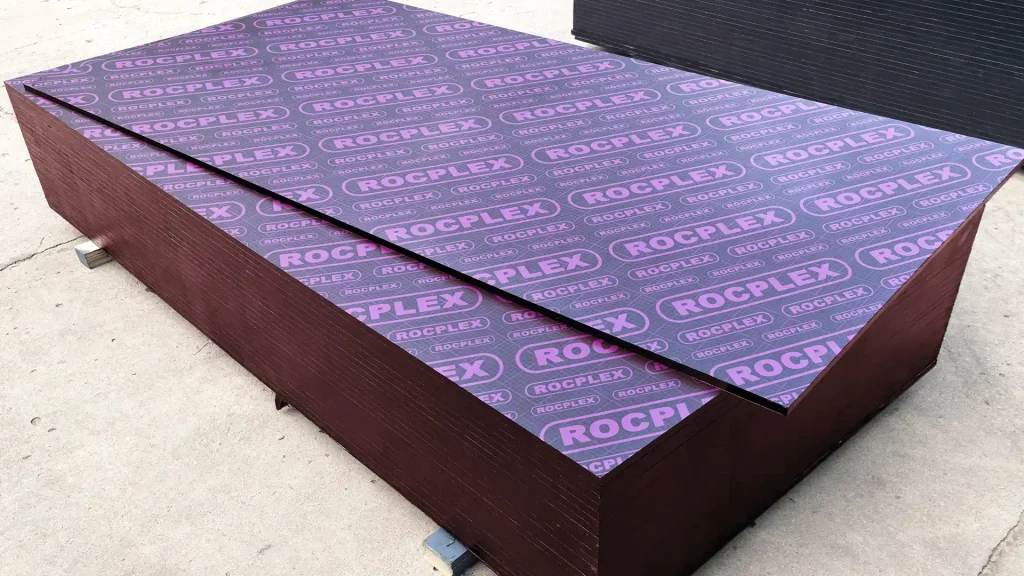
Do not ask for the best price on film faced plywood. Ask which sheet will give your project the best finish, the safest reuse expectation, and the lowest real cost per pour. ROCPLY’s current formwork offer is strongest when viewed that way. It gives buyers a route from general formwork to higher-spec formply grades instead of pushing one generic board into every pour schedule.
If the next quote request includes end use, pour schedule, finish target, sheet size, thickness, and compliance needs, the supplier can answer with far more precision. That is how a better film faced plywood order starts. It also happens to be the best way to turn search traffic into a serious inquiry instead of another loose price request.
Post time: Jun-01-2026