
A bad concrete finish often starts before the pour. It starts when the wrong shuttering plywood arrives on site, sits in the weather, or gets used for work it was never meant to handle. Builders in Australia rarely lose money on one big mistake alone. They lose it through small choices that stack up fast: the wrong grade, weak edge protection, poor storage, and buying on sheet price instead of site performance. ROCPLY’s current formwork range makes that clear, especially across its F14, F17, and F22 formply range and its F27 formwork panel option.
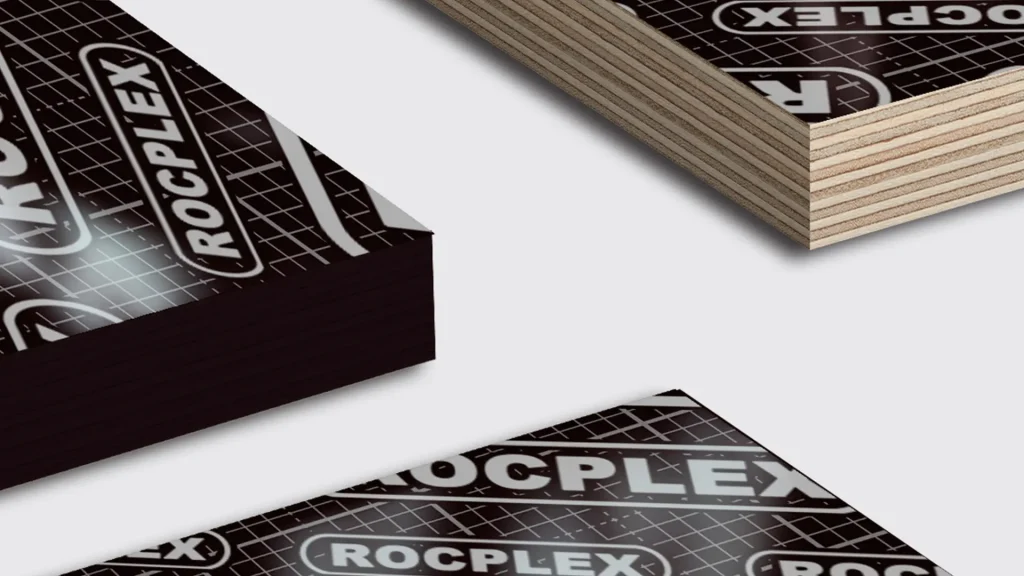
The good news is that most of these problems are avoidable. ROCPLY’s own concrete form plywood guide already frames concrete form plywood as a purpose-built board for concrete pressure, moisture exposure, and repeat site use, not a generic sheet product. That gives this article a clear job: help Aussie builders spot the errors early, before a slab, wall, column, or precast run turns into waste.
Why shuttering plywood gets misused on site
The most common error is simple. People assume any “strong enough” plywood can act as shuttering plywood. That is where trouble begins. Standard plywood may look fine in the stack, yet formwork puts very different demands on a panel. Wet concrete adds pressure. Moisture exposure is constant. Release quality matters. Reuse matters. Edge condition matters. ROCPLY’s form plywood comparison guide separates these roles clearly, and its broader range also separates structural plywood, general plywood, and formply for good reason.
Australian practice also separates structural plywood requirements from plywood made specifically for formwork. The EWPAA design guide explains that structural plywood in Australia and New Zealand is manufactured to the AS/NZS 2269 series, while Standards Australia lists AS 6669:2016 for plywood used in formwork. Builders do not need to memorize every clause, but they do need to respect the distinction. A board that suits one job class may be the wrong choice for a shuttering job.
Five mistakes that turn a cheap buy into an expensive pour
Treating general plywood like a formwork panel
This is still the fastest way to lose money. Generic plywood can be useful on many construction tasks, but shuttering work demands better moisture resistance, better release behavior, and more reliable face quality. ROCPLY’s own comparison content makes this point well: form plywood is built for wet concrete pressure and repeated use, while standard plywood is not. That difference shows up in the off-form finish, the number of reuses, and the chance of panel failure during a demanding pour. Try to save on the wrong sheet, and the saving often disappears in patching, grinding, delays, and replacement.
A useful starting reference is ROCPLY’s Concrete Form Plywood Guide for Building Projects, which explains why purpose-built concrete form plywood is treated differently from a general board on site.
Choosing formply thickness by habit instead of by job demand
Builders often repeat the last order because it worked once. That is convenient, but not always smart. ROCPLY’s formply size guide notes that common formply sizes include 1200 × 2400 mm and 1220 × 2440 mm, with common thicknesses from 12 mm to 21 mm. That range exists because jobs differ. A panel choice that works on a lighter deck or smaller wall face may not suit a harder pour, a different support layout, or a rougher handling pattern.
This is where “same as last job” becomes risky. If the support spacing changes, if the finish class matters more, or if the pour sequence is tougher, the shuttering plywood spec should change with it. ROCPLY’s formwork range also spans multiple stress grades, from F14 and F22 through to F27, which is another reminder that there is no single safe default across every site.
Ignoring the film face and blaming the concrete
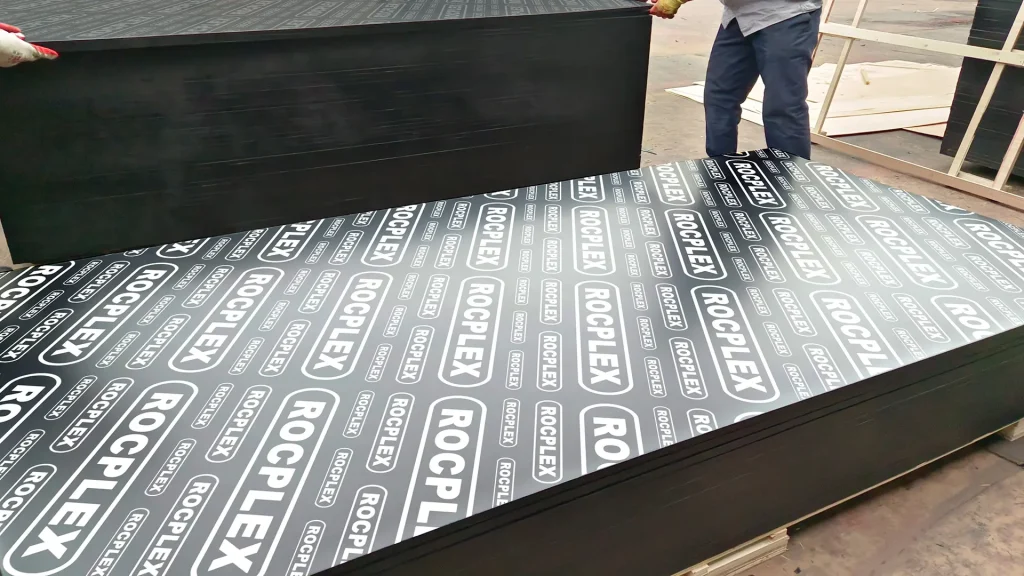
A lot of builders talk about plywood strength first. That matters. But concrete finish quality also depends on the face. ROCPLY’s concrete form plywood guidance and F27 product content both stress the value of phenolic or high-density overlay surfaces for smoother release and more stable performance in wet conditions. If the face is damaged, dirty, over-used, or poorly coated, the slab or wall finish will usually tell the story.
This is why Formply F17, F14, and F22 and higher-spec film faced options should be chosen as finish tools, not just load tools. The board is not there only to hold concrete. It is part of the finish system. Builders who treat it that way usually get better results and fewer disputes.
Letting storage and edge sealing slide
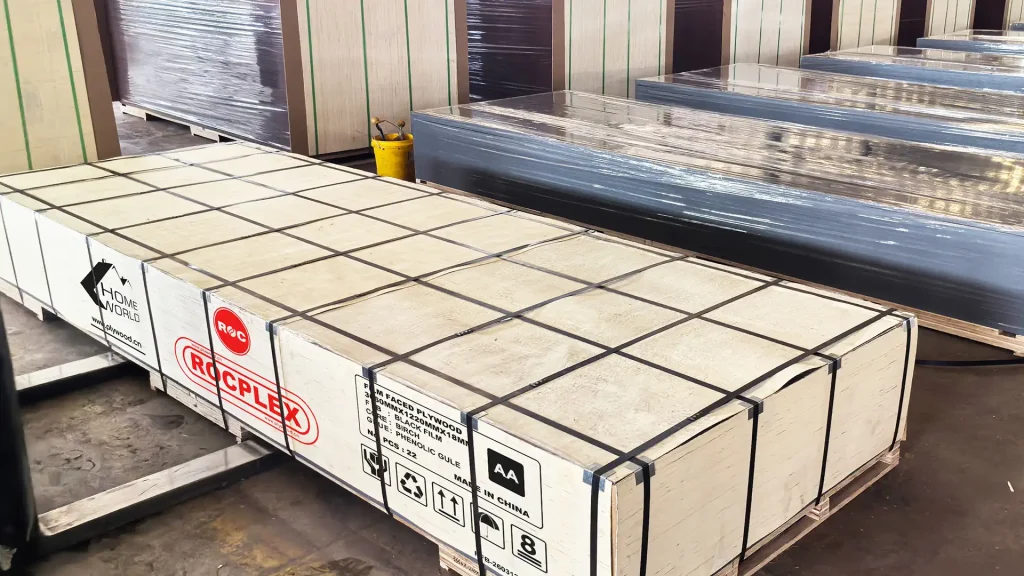
Even a good panel can lose value fast when it sits in water, leans badly, or gets cut and left open. ROCPLY’s earlier guidance on formwork plywood handling tells users to look after storage, authenticity, and on-site care, while its F27 page specifically recommends storing sheets on level bearers, clear of the ground, under cover with ventilation. It also highlights factory edge sealing as part of long-term moisture control. Those are not minor details. They directly affect panel life and finish consistency.
This is also one reason many buyers keep returning to the formply sizes guide. Size, handling weight, stack format, and storage method all interact. A “better priced” sheet can still cost more if it breaks down early from avoidable site handling.
Buying on first price instead of reuse value
This is the mistake that hurts the most over time. ROCPLY’s own form plywood comparison article ties cost to material quality, resin treatment, thickness, and local demand, and its F27 page states that, with correct on-site care and installation, the product can achieve up to 40 castings in demanding applications. That does not mean every job will hit that number. It does mean smart buyers should think in cycles, not just in sheet count.
A lower first quote on shuttering plywood may still be the worse buy if the panel gives fewer clean uses, needs more repair, or damages the pour face. On the other hand, a stronger board with a better film face, stable bond, and better edge protection can lower total cost across a program of repeated pours. That is the commercial lens more Aussie builders are using now, and it is one reason articles like this ROCPLY guide are useful before placing an order.
A quick formply grade check before you order
| Typical site need | Common panel direction | Why it fits | Common mistake |
|---|---|---|---|
| Basic general formwork | F14 formply | Good for many standard applications when the system is designed correctly | Treating it like a heavy civil board |
| Repeated site work with stronger performance needs | F17 or F22 formply | Higher stress grades and broader use across tougher formwork work | Assuming all formply performs the same |
| Heavy civil, mining, fixed formwork, high demand reuse | F27 formply | ROCPLY positions F27 for heavy-duty work, fixed formwork, and high performance | Buying down to a lower spec without checking the pour demand |
| General construction sheet, not dedicated formwork | Standard plywood | Useful in other roles, but not the first choice for serious concrete formwork | Using it as direct substitute shuttering plywood |
ROCPLY’s site supports this selection logic through its main formwork range, while the EWPAA guide explains that Australia and New Zealand recognize multiple structural plywood stress grades, including F14, F17, F22, and F27. Availability and design requirements still need to be checked job by job.
What Aussie builders should confirm before delivery day
Start with the real job, not the warehouse habit. Ask what finish the concrete needs, how many likely reuses the program expects, whether the board will face hard weather, and how the crew will store, cut, seal, and strip it. That short list usually tells you more than a price sheet. ROCPLY’s concrete form plywood article is a practical internal reference for that discussion.
Then confirm the grade path. ROCPLY’s range includes Form Plywood Key Benefits and Comparison with Other Plywood Types, Formply F17, F14, F22, and Formply F27. These pages make it easier to align the order with the job instead of defaulting to a vague “construction ply” request.
Finally, do not ignore sourcing standards and proof. Standards Australia lists AS 6669:2016 for plywood used in formwork, the EWPAA guide ties structural plywood to the AS/NZS 2269 series, and FSC explains how chain of custody tracks certified material through the supply chain. For buyers supplying commercial or public work, those details are often part of the buying decision, not an afterthought.
Common buyer questions
What is the biggest shuttering plywood mistake on site
Using a general sheet as if it were a purpose-built formwork panel is usually the costliest mistake.
Does thicker formply always mean better
No. Thickness should match the pour demand, support layout, handling pattern, and finish requirement.
Is formply the same as marine plywood
No. Marine plywood is built for wet exposure. Formply is built for concrete formwork pressure, finish, and site reuse. ROCPLY discusses that distinction in its marine ply versus formply comparison.
Why does film face quality matter so much
Because the face affects release, moisture resistance, and the final look of the concrete.
What should a buyer ask a supplier before ordering
Ask about grade, face type, likely reuse, storage guidance, sealing, and the standards or certification tied to the product.
The site takeaway
Aussie builders do not need more plywood options. They need fewer avoidable mistakes. The right shuttering plywood choice is rarely the cheapest sheet in the yard. It is the board that matches the pour, protects the finish, survives the handling, and keeps performing across the job cycle. For ROCPLY, that is the conversion point worth building around: help the buyer move from “What is the cheapest panel?” to “Which panel protects my pour and my margin?”
Post time: May-04-2026