
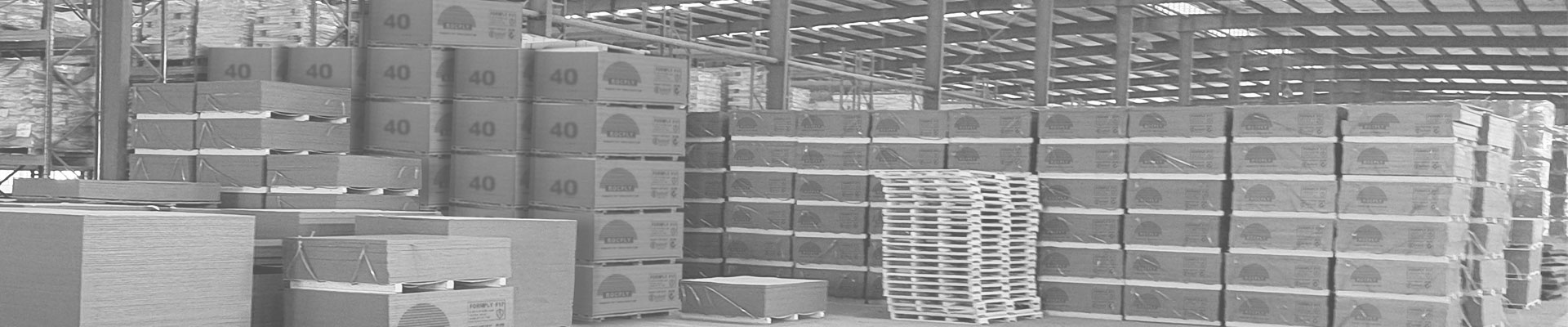
WBP plywood stands up to harsh conditions. It resists water, heat, and biological decay. Contractors trust this material for demanding applications. WBP means Weather and Boil Proof, the highest durability rating available in the plywood industry. This product represents the pinnacle of adhesive technology.
Australian builders have relied on WBP plywood for decades. The harsh climate demands materials that can handle extreme conditions. From tropical north to temperate south, WBP performs consistently. This reliability makes it the first choice for critical installations.
What WBP Plywood Delivers
WBP plywood uses phenolic resin glue. This adhesive survives prolonged water exposure without failing. It tolerates boiling temperatures without delaminating. The construction remains intact even in the toughest environments. This makes WBP the premium choice for exterior applications where failure is not an option.
The manufacturing process creates a homogeneous panel. Every layer bonds completely with adjacent layers. This unity provides strength in all directions. The cross-laminated structure resists warping and twisting. These properties remain stable throughout the service life.
Australian builders specify WBP for critical installations. The marine industry relies on it extensively. External cladding, roofing, and flooring benefit from WBP performance. Pool surrounds and wet areas need this level of durability. WBP delivers peace of mind in every application.
WBP Plywood Applications
WBP-waterproof plywood appears in diverse applications across Australia. Its versatility makes it valuable for many project types.
External Cladding
WBP plywood handles outdoor exposure perfectly. Weather, UV, and temperature changes do not degrade it. The surface accepts protective coatings well. Painting or staining extends the service life further. Buildings maintain appearance for decades when clad with WBP.
Wall cladding faces constant environmental attack. Rain, wind, and sun all take their toll. WBP plywood resists all of these factors. The dimensional stability prevents gaps and leaks. Quality cladding protects the building envelope effectively.
Roof Decking
Roofs face constant weather exposure. WBP plywood withstands rain, heat, and wind. It provides a solid base for roofing materials. The dimensional stability prevents warping that causes leaks. Quality roof decking protects the entire building structure.
Roof decking must handle thermal movement. Temperature cycles cause expansion and contraction. WBP handles this movement without cracking. The smooth surface provides excellent underlayment for tiles or sheets. This reliability makes WBP the professional choice.
Marine Use
Boat builders choose WBP for hull construction. Docks and jetties need water resistance. WBP performs in constant wet conditions. Salt water does not break down the adhesive. Marine applications demand this level of reliability.
The marine environment is unforgiving. Salt, moisture, and mechanical stress combine to attack materials. Only the most durable survive. WBP plywood has proven itself in countless marine installations. This track record builds confidence.
Wet Area Flooring
Bathrooms, laundries, and pool areas need special flooring. WBP plywood handles moisture without swelling or rotting. The structural integrity remains solid even in continuous wet conditions. Tile and stone installations work well over WBP subfloors. This performance justifies the investment.
Waterproof subflooring prevents major problems. Mold, rot, and structural failure all result from moisture damage. WBP stops these issues before they start. The long-term savings far exceed the initial cost difference.
Selecting Quality WBP Plywood
Choosing the right WBP plywood requires knowledge. Several factors determine quality and performance.
Check the Certification
Genuine WBP meets AS/NZS 2269 standards. Look for the compliance mark on each sheet. Independent testing verifies the adhesive performance. Certified products guarantee the stated specifications. Do not accept inferior claims without proof.
Third-party certification provides assurance. The Engineered Wood Products Association tests products. Their mark means verified performance. This verification protects your investment. Quality control matters for structural materials.
WBP Plywood Surface Quality
WBP comes in various surface grades. A-grade offers pristine faces for painting. This grade suits visible applications where appearance matters. C-grade shows natural characteristics for utility use. Select based on your visible requirements and budget constraints.
The glue line matters more than the face for WBP performance. Both A-grade and C-grade use the same adhesive. The structural performance remains excellent regardless of face grade. This consistency ensures reliable performance.
Sheet Thickness
Thicker sheets provide more rigidity and load-bearing capacity. Twelve millimeter suits wall cladding applications. Seventeen and nineteen millimeter work well for flooring. Roof decking typically uses fifteen millimeter or thicker. Match thickness to the span and load requirements.
Engineering tables guide these selections. Span ratings indicate maximum spacing between supports. Following these guidelines ensures adequate performance. Under-specifying thickness leads to problems later. Safety requires proper specification.
WBP vs Other Plywood Types
Understanding plywood types helps with proper selection. Not all plywood performs the same way.
Interior plywood uses urea formaldehyde glue. This adhesive works fine in dry conditions. However, it fails dramatically with water exposure. The bond breaks down quickly when wet. Interior plywood should never face moisture.
Exterior plywood uses melamine glue. It handles some moisture better than interior types. However, it cannot match WBP performance. Prolonged water exposure causes delamination. Only WBP survives the boiling test.
The WBP test involves boiling the plywood for hours. Most adhesives fail this extreme test. Phenolic glue survives without delamination. This capability translates to real-world performance. WBP handles Australian conditions with ease.
The cost difference reflects adhesive quality. WBP costs more than standard exterior plywood. The extended service life offsets the investment. Fewer replacements mean lower lifetime costs. Quality matters most in demanding applications.
Installation Guidelines
Proper installation maximizes WBP performance. Follow these guidelines for best results.
Fastening
Use stainless steel fasteners for coastal applications. Salt air corrodes ordinary steel quickly. Galvanized fasteners work adequately inland. The coating provides some protection. However, stainless steel lasts longer in harsh conditions.
Space nails or screws according to engineering specs. Closer spacing at panel edges prevents lifting. The edges see the most stress. Following specifications ensures long-term performance. Proper fastening prevents costly repairs later.
WBP Plywood Sealing
Seal all cut edges with appropriate preservatives. This prevents moisture ingress at vulnerable points. End grain absorbs water rapidly. The untreated core becomes a wick for moisture. Quality edge sealing extends service life significantly.
Take time on this detail. The few minutes spent sealing edges pays dividends. It prevents water damage that ruins panels. Professional installers never skip this step. Quality work shows in the details.
Maintaining WBP Plywood
WBP requires minimal maintenance compared to other materials. However, some care extends the service life further.
Regular cleaning removes dirt and debris. Buildup holds moisture against the surface. Periodic washing prevents this issue. Use mild detergent and water. Avoid harsh chemicals that damage coatings.
Inspect for damage during routine maintenance. Look for cracks, splits, or delamination. Catching problems early enables simple repairs. Waiting allows damage to spread. Prompt attention prevents major repairs.
Reapply protective coatings when the surface shows wear. Paint or stain protects the surface. These coatings shield against UV radiation. Regular recoating maintains appearance and performance. Follow manufacturer recommendations for coating schedules.
The substrate remains stable if coated properly. Water repellent treatments help maintain performance. Professional inspections identify potential concerns early. This proactive approach maximizes service life. Investment in maintenance pays off over time.
Sourcing WBP Plywood
ROCPLY supplies certified WBP plywood across Australia. We stock various thicknesses and grades to match your requirements. Our team understands Australian building conditions. We help you select the right product for your specific application.
We maintain strict quality control. Every shipment undergoes verification. Our certifications provide peace of mind. We stand behind every product we sell. Customer satisfaction drives our business.
Contact us for competitive project quotes. We deliver throughout Australia efficiently. Our logistics network ensures timely delivery. Technical support is always available. Trust ROCPLY for quality WBP plywood solutions.
Browse our complete plywood range online. We also offer film faced plywood, marine plywood, and LVL timber for all your construction needs.
Post time: Apr-20-2026