
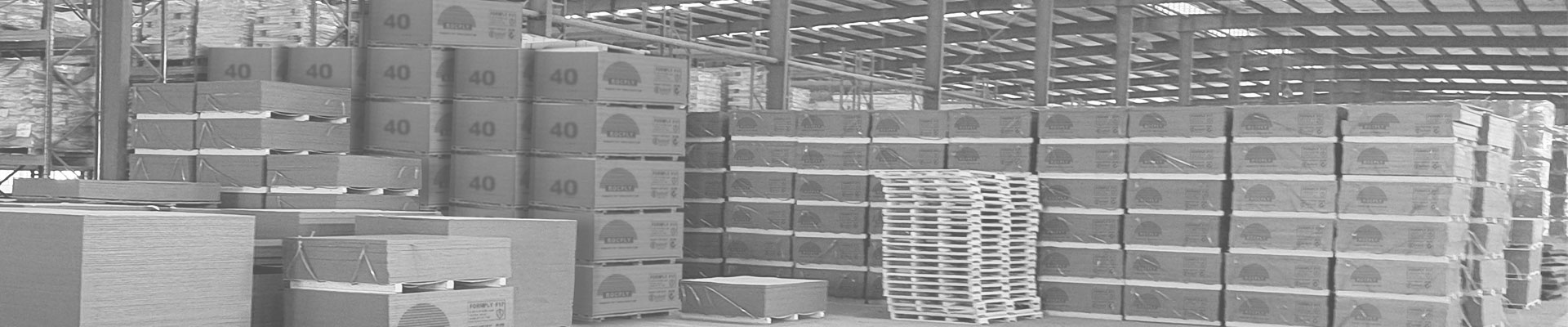
Formwork Plywood: What Australian Builders Actually Think
I have spent years talking with Australian builders about formwork plywood. The conversations are always practical. Builders care about what works, what lasts, and what makes sense financially. Let me share what I have learned.
This is not theoretical. These are conversations I have had on actual job sites. The insights come from people who use this material every day. Their experiences matter more than marketing material.
What Australian Conditions Require
Australia presents specific challenges that influence formwork plywood selection. This continent varies dramatically in climate. What works in Queensland might fail in Victoria.
Humidity affects materials differently across regions. Queensland builders deal with tropical moisture constantly. Melbourne experiences more variable conditions. These differences shape material choices.
Temperature swings cause materials to expand and contract. Quality formwork plywood handles this without problems. Lesser products struggle.
Coastal Considerations
Coastal projects face salt exposure. This accelerates corrosion and material degradation. Specific formwork plywood handles coastal conditions better.
Concrete suppliers in coastal areas expect formwork that survives their environment. The cost of failure is too high to use inappropriate materials.
What Actually Works on Job Sites
Builders evaluate formwork plywood through actual performance. Theory matters less than results. Here is what they tell me works.
Strength Under Pressure
Concrete weighs plenty. Formwork must hold that weight without bulging or failing. The stress grade matters for this reason. F17 has become standard because it handles typical loads.
Some applications require higher grades. Multi-story construction pushes material limits. Understanding requirements prevents costly failures.
Reuse That Makes Sense
Contractors calculate reuse economics carefully. The number of uses directly affects project cost. Quality formwork plywood might cost more initially but pays back through reuse.
Some crews get 30 plus uses from quality sheets. Others struggle to get 10. The difference usually relates to handling and care.
Selection That Makes Sense
Choosing formwork plywood requires balancing multiple factors. Here is how professionals approach this decision.
Matching Grade to Application
Standard residential work typically needs F17. Commercial projects might require F22 or higher. The additional cost makes sense when strength matters.
Do not pay for more than needed. But do not skimp on requirements either. The cost of failure far exceeds any savings.
Supplier Reliability
Who you buy from matters as much as what you buy. Reliable suppliers deliver consistent products. You know what to expect from each order.
ROCPLY has built relationships with Australian builders over many years. Their experience informs product selection. This practical knowledge helps customers.
Making It Last Longer
Proper handling extends formwork plywood useful life significantly. Experienced builders know these practices well.
Storage That Works
Keep sheets flat and dry before use. Stack with adequate support to prevent sagging. Cover to protect from weather while allowing air circulation.
The storage habits I see on successful sites make a difference. Those that treat materials carelessly pay through earlier replacement.
Release Agents Matter
Proper release agent application does two things. It protects the formwork surface and it ensures clean concrete release. Both matter for different reasons.
Too little causes sticking and surface damage. Too much creates blemishes on the concrete surface. Getting this right takes practice.
Cleaning Between Uses
Concrete residue degrades film surfaces over time. Removing it between uses prevents this degradation. The time invested pays back through extended sheet life.
Simple pressure washing often suffices. For stubborn residue, more effort might be needed. The goal is removing material without damaging the surface.
The Cost Conversation
Every builder wants value. Let me be realistic about how to achieve that.
Initial Price Versus Total Cost
Initial price is visible. Total cost includes uses achieved, problems avoided, and time saved. Quality formwork plywood typically performs better on total cost calculations.
When projects run smoothly, everyone benefits. Material failures create delays, rework, and frustration. Those hidden costs exceed initial savings from cheap materials.
Volume Purchasing Advantages
Substantial projects benefit from volume pricing. Suppliers offer better rates for significant orders. Planning material needs to take advantage of this makes sense.
Talk to suppliers about project timelines. They might offer better pricing for scheduled delivery arrangements.
What Matters Most
After all these conversations with builders, what stands out?
Quality formwork plywood from reliable suppliers makes projects smoother. The slightly higher initial investment pays returns through performance and durability. This is not marketing. It is what experienced builders tell me.
ROCPLY supplies products that Australian builders trust. Their experience shapes what they offer. That connection between user and supplier creates value.
For those evaluating options, discussing requirements with knowledgeable suppliers helps match products to purposes. Take the time to have that conversation. The insights are worth the investment.
Quality materials make construction projects more successful. That is what matters in the end.
Post time: Mar-11-2026