
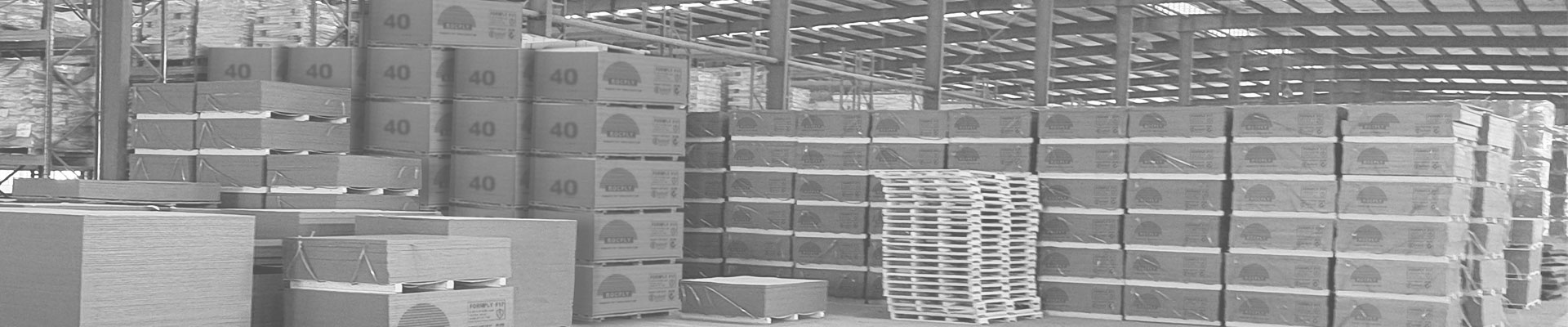
Wood Wall Panels Guide For Trade Buyers
Markets move quickly, yet wood wall panels ranges stay central. At the same time, many projects now ask for warmer spaces and quieter rooms. Clients also expect neat installs with little dust on site. As a result, builders feel strong pressure on both time and quality.
Timber wall panels sit right inside this shift. They dress bare frames in one clean step and therefore speed up the schedule. Crews then close jobs faster and move to the next site sooner. At the same time, wholesalers gain steady repeat sales from a simple, clear range.
For distributors, panels also unlock flexible display ideas. Sample boards therefore show grain and colour in a single glance. Retail teams then build inspiring feature walls without heavy props. That approach also helps stores turn casual visitors into firm buyers.
ROCPLY wall panels grow from long experience in plywood. Each sheet uses a stable core and a selected face veneer. Because of this, panels cut cleanly, hold fixings well and stay flat. That mix therefore keeps both site crews and store buyers happy.
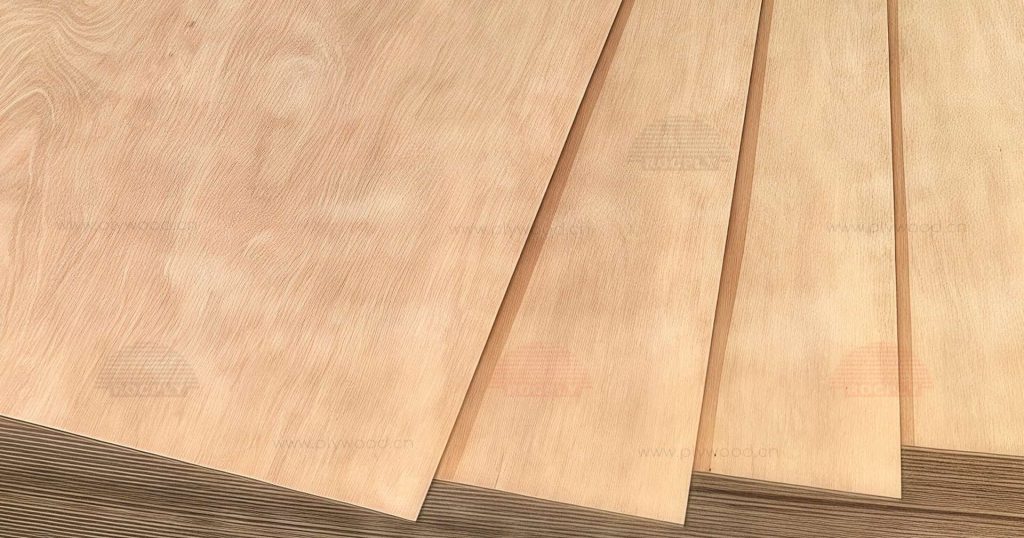
Why Many Projects Move To Wood Wall Panel
Owners now look for comfort, style and value in one package. In response, wood wall panels help them reach that balance with less stress. Moreover, natural grain adds warmth without heavy decoration work. Rooms therefore feel finished even before furniture arrives.
In addition, panels hide uneven surfaces and old repairs. They also allow quick upgrades in rental units and older buildings. Furthermore, many interior wall panels also protect gypsum walls from chair marks and luggage bumps. That protection also reduces later patching and repainting.
Designers often lean on timber faces for the most visible zones. For example, meeting rooms, hotel lobbies and café walls often use these panels. ROCPLY wood wall panels then give such areas consistent tone and neat joints. This result also keeps project photos sharp for marketing teams.
Wood Wall Panels Or Painted Wall
Paint still feels like the basic choice for many jobs. It seems cheap and easy at first glance. However, it demands careful surface prep and several coats. Fresh paint also marks quickly in busy corridors and offices.
By contrast, wood wall panels offer depth and texture in one layer. Light then slides across grain, not just a flat colour. The room therefore feels richer even with very simple furniture. Decorative wall panels also turn a plain wall into a clear feature.
Paint also locks projects into slow wet trades. Consequently, drying times delay other tasks on the program. With panels, crews instead fix sheets and keep moving. That speed therefore matters when retail fitouts run on tight night schedules.
Ultimately, over the full life of the wall, cost tells a new story. Paint looks low on day one, yet touch ups never stop. Timber faces last longer and often need only cleaning. For many owners, that shift in long term cost seals the choice.
Timber Wall Panel Versus PVC And WPC Panels
PVC and WPC board systems now grow quickly in many regions. They resist splash and therefore work well in some wet zones. They also arrive in light packs that one person can handle. For quick bathrooms and laundries, they can also look attractive.
Even so, timber wall panels still lead for feel and touch. Real grain adds warmth that printed films cannot match. In fact, many clients tap the wall and listen. Solid cores then give a sound that builds trust.
PVC systems clip together at speed and hide rough backgrounds. Yet they may flex more when trolleys scrape past. Therefore, in busy public spaces, plywood wall panels hold up better. Edges stay sharp and joints remain tight.
From a stock view, a mixed range therefore works best. PVC and WPC options then handle lower budget or high moisture rooms. Then ROCPLY wood wall panels step in for lobbies, living rooms and main office fronts. This structure also gives sales teams clear layers to present.
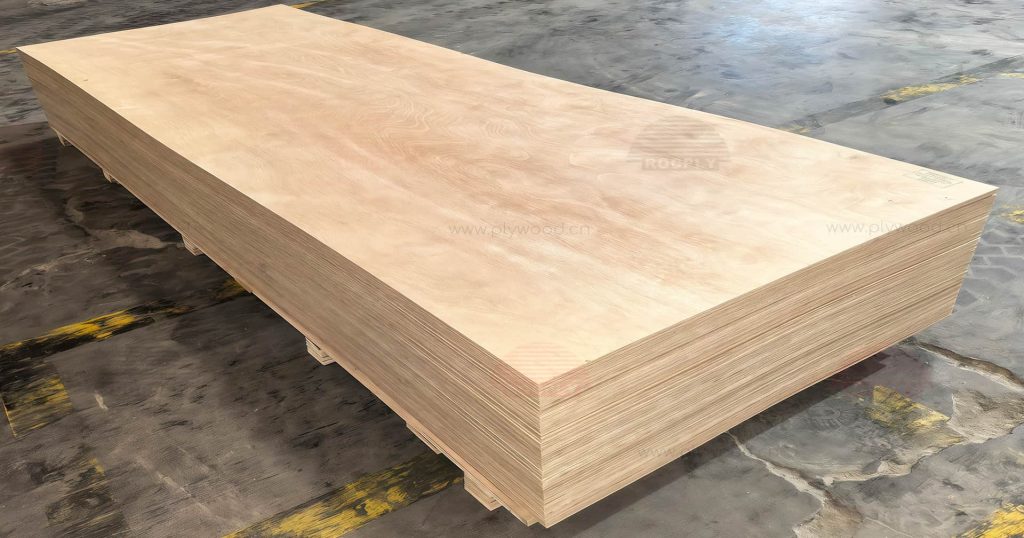
Wood Wall Panels Against MDF And Laminate
MDF and basic laminate sheets shaped many early fitouts. They offered smooth faces and low entry price. However, they bring known weak points once people start using the space. Edges swell fast when water reaches the core.
Screw holding also drops in some wall build ups. Repairs take time and still leave clear marks. Over several move in and move out cycles, damage becomes very obvious. At that point, many owners face a full strip and redo.
Timber wall panels built on plywood cores behave differently. Cross layup gives strength along and across each sheet. Screws bite firmly and therefore tend to stay tight over time. In addition, the core copes better with small swings in humidity.
Decorative wall panels in real veneer age with more grace. Small dents often blend into the timber look. MDF laminates instead tend to chip at corners and show pale core. Over years of use, that bright edge contrast really stands out.
ROCPLY wood wall panels use selected veneers and firm bonds. Tight control in pressing keeps sheets flat and true. Consequently, wholesalers see fewer claims and smoother repeat orders thanks to this build. That reliability also matters when reputations sit on every load.
Timber Wall Panel And Hard Tile Or Stone
Tiles and stone still win in very wet or harsh zones. Bathrooms, commercial kitchens and some entry steps need hard skins. These surfaces handle water, heat and strong cleaners every day. For such areas, panels would not be the first choice.
On the other hand, tile and stone bring weight and longer install time. Cutting, fixing and grouting all take skill and care. Noise also bounces off hard surfaces in open spaces. Staff often notice this echo once the space gets busy.
These timber panels therefore answer softer public zones. Reception desks, hotel corridors and café walls all suit timber. The finish feels warm to the touch even in cool air. For many visitors, that comfort matters as much as pure durability.
In semi wet areas, mixed systems work very well. Tiles protect splash zones such as backsplashes and shower stalls. Wood cladding panels then dress nearby dry walls and columns. This blend also holds cost down while keeping a high end look.
Slat wood wall panels build extra depth again. They break up long runs of wall with slim lines and shadows. For instance, many bar and retail designs now use these slats behind counters. The result feels modern, yet still calm and natural.
Costs And Value Across Wall Panel Choices
Price leads the talk in every project meeting. Buyers compare not only materials but full job cost. They look at labour, waste, speed and later upkeep as well. Good notes on these points therefore help close deals.
PVC and basic MDF sit at the bare entry point. They suit short term jobs and light duty walls. However, they can fail early in tougher sites. Early failure therefore eats away any saving from low ticket price.
Solid timber and dense cores cost more at the start. In return, they stand up better to traffic and impact. Over several repaint cycles, they often prove the smarter buy. Ten years of use thus tells a truer story than one quote.
Clients also link wall finish with brand image. Rough paint or chipped laminate sends a weak signal. Clean, durable panel systems instead support higher lease rates. Over time, that extra rent more than balances any added supply cost.
These panels sit in this value middle ground. They beat cheap surfaces on life span and appeal. Yet they undercut some stone and metal systems on total project budget. Dealers also like the tidy space they therefore create on displays.
For traders, this balance feels important. Stock that sells on both price and story moves faster. ROCPLY wood wall panels give teams strong talking points around value, comfort and design. That mix then supports long term trading relationships.
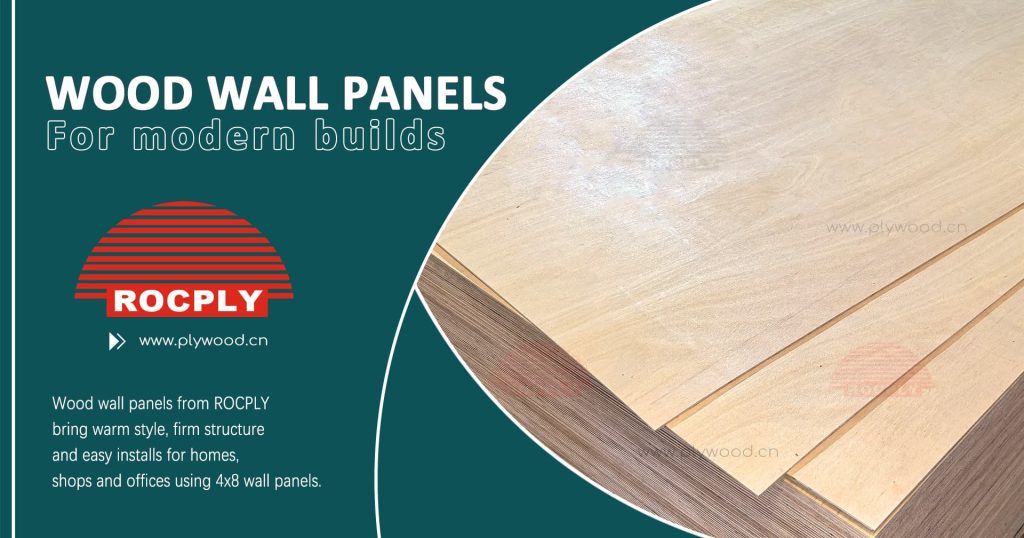
Installation Speed And Site Workflow
Busy sites reward simple and repeatable steps. Panel systems therefore support this need very well. Carpenters cut sheets with standard saws already on the truck. That habit keeps set up fast on every shift.
After cutting, they fix panels to battens or direct framing. Screws and brads hold the faces firm. Approved adhesives then add strength where needed. Each stage uses tools found on almost any project.
Large formats cover wide areas in very short time. Fewer joints therefore mean less chance for issues later on. Offcuts often trim around doors or columns so waste stays low. Site managers also like that clean, efficient workflow.
Some click systems also install quickly and look neat. Yet they can need special trims and clips. Wood based interior wall panels instead keep hardware simple and familiar. This approach therefore cuts time at both the warehouse and the job.
ROCPLY wall panels ship in export ready packs. Clear marks on each bundle help pickers work fast. On site, teams open only what they plan to use that day. Remaining panels then stay clean, dry and safe.
Comfort, Acoustics And Everyday Use
The way a room feels affects how people work and stay. Hard plaster and tile bounce sound around the space. Voices then rise as people strain to hear each other. Over time, that noise wears down focus and mood.
Timber faces break up that echo and soften noise. Grain and fine texture scatter sound waves before they build. Rooms therefore feel calmer even with the same head count. People also report less stress in these softer spaces.
Acoustic wall panels lift this effect to another level. Many acoustic designs use slots and backing layers to absorb sound. Slat wood wall panels combine this idea with a clear visual line. Offices, studios and meeting hubs often use these options.
Interior wall panels also shield walls from daily life. Chairs scrape, bags swing and trolleys roll past all day. Robust faces therefore shrug off many small hits. Clean down then stays simple with soft cloths and mild cleaners.
ROCPLY focuses on both look and feel in every panel. Veneer choice, sanding and coating all aim for comfort. As a result, site teams gain finishes that people like to live beside. Tenants and guests then stay pleased long after handover.
Why Wholesalers Choose ROCPLY Wood Wall Panels
Trade buyers rarely want complex or messy ranges. They need clear options that cover core jobs with ease. ROCPLY wood wall panels were built with that need in mind. The range therefore keeps choices focused, yet still flexible.
The line offers popular species and calm colour tones. Panels also match common ceiling heights and grid layouts. This match makes set out fast for both shopfitters and builders. Less cutting on site therefore means less dust and less rework.
Plywood wall panels from ROCPLY use tested bond lines and cores. Regular moisture checks support stable product in many climates. Because of this, packs arrive ready to use, not ready to sort. That reliability then saves time in busy yards.
Support also runs well beyond the pallet. ROCPLY shares span notes, fixing guides and storage tips. These tools therefore help reduce on site errors and waste. Sales teams gain confidence when they see fewer callbacks.
For wholesalers, the gains show up quickly. Good margins stack with low complaint rates over time. Sales staff then grow confident offering wood wall panels against other wall panels. In the end, that trust turns into repeat orders and long partnerships.
Post time: Dec-29-2025