

A smarter path for 1 2 plywood buyers
Global buyers ask for stable sheets, fair pricing, and on-time supply. ROCPLY answers with a refined half-inch class range made for trade demand, including options for 1 2 plywood. Every pack targets consistent quality and predictable handling. The result is smoother work on sites and in shops.
Our mills run audited processes from layup to packing. Bond lines follow strict controls. Face veneers receive careful selection and sanding. Then each pallet gets transport-ready protection for long routes. Therefore, your teams receive flat, clean sheets that install quickly.
We designed this range around wholesaler needs first. The line also suits builders, joiners, and cabinet plants. Stock standard formats, then add custom cuts as volume grows. This approach protects margins and improves service levels.
What 1 2 plywood means in your market
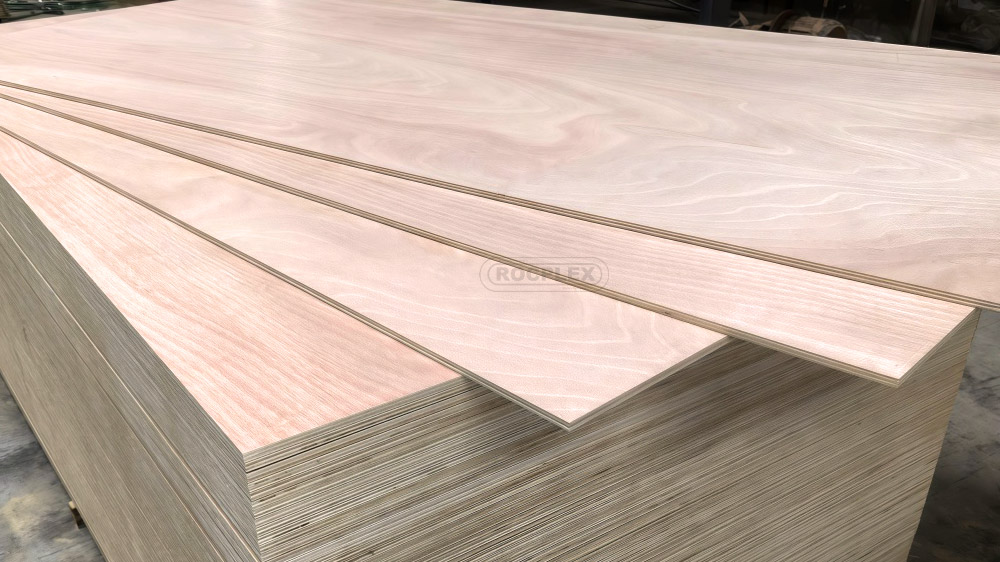
Buyers often use half-inch as a workhorse thickness. It balances stiffness, weight, and cost. Crews lift sheets safely and process them with common tools. Many projects reach the finish line faster with this class.
However, local code language can vary. Some jurisdictions prefer nominal wording. Others write exact millimetre values. ROCPLY provides clear labels for both tracks. Your teams can select the right spec with confidence.
Moreover, this class covers a wide scope. It supports interior linings, cabinet boxes, and fixtures. It also helps with packaging, crates, and temporary builds. Always confirm spans and loads before structural use.
Core specs for 1 2 plywood buyers
ROCPLY supplies standard export sizes for global trade. Popular options include 1220×2440 mm and 1250×2500 mm. Our 4×8 format anchors most inventories. The format stacks well, ships efficiently, and speeds yard handling.
Thickness targets the half-inch class with tight control. Typical production spans 11.5 to 12.7 mm, depending on market rules. Tolerances remain narrow to protect fit and finish. Edge squareness is checked to reduce on-site trimming.
Face grades range from premium to utility. Cabinet faces need smooth, clean veneers with minimal putty. Utility faces can allow sound knots and patches. Consequently, wholesalers can design tiered price points for different users.
Key specifications snapshot
| Spec | Detail |
| Standard sizes | 1220×2440 mm, 1250×2500 mm, 4×8 plywood |
| Thickness window | 11.5–12.7 mm (market dependent) |
| Typical tolerance | ±0.3 mm (internal target) |
| Face grades | B/BB, BB/CC, C/D |
| Glue classes | MR (interior), WBP phenolic (exposure) |
| Cores | Poplar, Eucalyptus, Mixed |
| Formaldehyde class | E0 or E1 |
| Typical uses | Cabinets, linings, crates, retail fixtures |
1 2 plywood vs 12mm plywood
Nominal half-inch equates to roughly 12.7 mm. 12mm plywood sits slightly thinner. Many non-structural uses accept both sizes. Yet some codes require explicit values. Therefore, always check the specified tolerance window.
Stocking both options brings real benefits. Sales teams can solve last-minute site changes. Fit issues also drop when alternates sit in the rack. As a result, you protect revenue and reduce delays.
Clear labelling keeps returns low. ROCPLY marks thickness, grade, and glue class on each pack. Warehouse teams pick the correct sheet the first time. Installers then avoid rework and wasted time.

Grades and face options
Different jobs demand different faces. B/BB suits painted cabinets and visible joinery. BB/CC works for linings and general fit-outs. C/D plywood supports crates, pallets, and site barriers. This mix lets buyers tune cost to function.
Species choice affects tool wear and surface finish. Eucalyptus and birch deliver firm faces and high fastener grip. Pine sands quickly and brings a warm look to light joinery. Okoume offers low weight and easy cutting for large runs.
Core build also matters. Poplar cores keep weight down and cut cleanly. Eucalyptus adds stiffness where span limits push higher. Mixed cores balance price and performance. Your ROCPLY rep can map the best pairing for each market.
Applications across trades
Interior linings benefit from flat, smooth sheets. Cabinet boxes need clean faces and stable cores. Retail fixtures must resist edge damage and frequent moves. Event builds demand quick cutting and repeat use.
Roof and floor decks require verified ratings. Span tables set clear limits for design loads. Therefore, check the job spec before substitution. ROCPLY can supply data when rules require proof.
Packaging teams care about weight and cost. Crates and boxes need reliable edges and controlled voids. Consistent bonding prevents delamination during long trips. These details protect goods and brand reputation.
Installation tips for 1 2 plywood
Good prep saves time. Condition panels to site humidity before fixing. This step reduces movement after fit-out. Therefore, joints stay tight and finishes look clean.
Use the right fasteners for the substrate. Screws hold best near panel edges. Pre-drill when working close to corners. Heads should sit flush, not buried into the face.
Cut edges need sealing in rooms with moisture. Primer, paint, or edge banding will work. For wet zones, use robust sealants and suitable glue classes. Vent concealed spaces to release trapped moisture.
Moisture, glue, and durability
Glue class should match the environment. MR glue suits dry interiors and cabinet parts. WBP phenolic glue supports wet areas and tough service. This choice drives long-term stability and warranty performance.
Edges and faces need thoughtful protection. Even strong glue lines benefit from sealing. Coatings block moisture and stains in daily use. Consequently, surfaces hold their look for longer.
ROCPLY offers E0 and E1 formaldehyde classes. Labels list the rating for quick checks. Many regions accept these limits for indoor work. Ask our team about local rules if needed.
Why ROCPLY 4×8 plywood panel stands out
The 4×8 format is a global workhorse. ROCPLY packages this format for quick receiving and storage. Pallet corners stay straight under load. Wraps resist tears during long voyages. Barcodes support fast scans at the yard.
Attention to detail shows on site. Crews pull flat sheets and get square cuts. Saw lines track cleanly across the face. Fewer defects mean fewer callbacks and claims. Ultimately, projects finish on time with less stress.
We optimise packs for freight density and safety. Fork pockets mark clear lift points. Labels face the aisle for fast checks. These simple touches speed operations and cut handling risk.
Supply planning for plywood wholesalers
Strong supply turns into repeat sales. We help you shape stock plans by grade, size, and face. Your sales data guides reorder points and safety stock. Seasonal forecasts then protect peak months. This approach cuts rush freight and last-minute swaps. It also keeps margins steady. Our team reviews service levels each quarter. Together, we tune mix, MOQ, and pack size. You get faster turns and lower carrying cost.
Versatile assortments win shelf space. Pair premium faces for joinery with utility boards for site work. Add 4×8 plywood as your core volume line. Keep 1220×2440 mm as the anchor for export markets. Offer 1250×2500 mm where local fit demands it. This balance covers most daily requests without overstock.
Pricing strategy for 1 2 plywood
Price must reflect grade, glue, and species. We quote in clear tiers, so buyers compare like for like. Transparent surcharges keep decisions simple. You see costs for packing and documentation upfront. This clarity avoids billing friction and protects trust.
Volume programs reduce unit cost. Long lanes also stabilise vessel choices and free time. We help you map CIF or FOB deals by route. You can model landed cost with real scenarios. The result is honest pricing that holds under pressure.
Total cost vs sticker price
Sticker price gets attention. Total cost decides profit. Flat sheets reduce rework and waste. Clean faces speed paint and finish. Tight thickness control cuts sanding time. All these points add margin you can bank.
Returns drain time and goodwill. We design quality to avoid them. Consistent bonding limits delamination claims. Accurate labels reduce mis-picks in the yard. Strong wrapping protects corners through long trips. Fewer claims keep teams focused on growth.
Sustainability and compliance
Buyers now ask for verifiable sourcing. We maintain robust chain-of-custody systems. Controls cover veneer, glues, and packing. Independent audits check documents and flow. You can show downstream clients real evidence, not vague claims.
Indoor air rules keep getting stricter. We supply E0 and E1 formaldehyde classes. Labels list the rating on each pack and sheet. Many regions accept these limits for fit-outs and furniture. Ask our team to match your local code map.
Documentation you can trust
Clean paperwork speeds customs. Every shipment includes invoices, packing lists, and certificates. We add mill test summaries when specs require them. Batch labels match documentation for quick checks. This reduces hold risks at the port.
Due diligence is part of our service. We prepare core files for your compliance team. That may include species statements and origin data. We also share glue class evidence for projects under review. With this file set, you answer audits with confidence.
Logistics, packing, and 4×8 efficiency
Freight efficiency matters at scale. Our 4×8 format stacks cleanly and loads fast. Packs use edge guards and strong straps. Wraps resist tears and UV during yard moves. Fork points are marked for safe handling. Labels face the aisle for quick counts and picks.
Moisture control starts at packing. We dry to target ranges before wrap. Desiccants help across long sea routes. Arrival checks then verify condition and label integrity. These small steps protect value through the last mile.
Logistics and packing overview
| Item | Specification |
| Pallet pack count (12 mm) | Typically 40–50 sheets; custom heights available |
| Wrapping | Tear-resistant film with edge guards |
| Straps | High-tensile PET or steel as required |
| Labels | Barcode, batch, grade, thickness; aisle-facing |
| Moisture control | Target drying plus desiccant on request |
| Forklift handling | Marked lift points and clearances |
Training and after-sales support
Great products still need good guidance. We train sales teams on grades and uses. Simple charts explain thickness choices by task. Quick scripts help staff handle common questions. With these tools, you sell faster and with fewer escalations.
Technical support goes deeper. We supply data on glue class and bond tests. Span guidance aligns to local practice where allowed. When codes require exact proof, we help compile files. Your team gets answers without long delays.
FAQ on 1 2 plywood
Is it the same as 12mm plywood?
Not exactly. Half-inch is about 12.7 mm. 12mm plywood is a little thinner. Many non-structural uses accept both. Always check the tolerance.
Can I use it outdoors?
Yes, with the right glue and finish. Choose WBP phenolic glue plywood for exposure. Seal faces and edges. Maintain coatings as needed.
Is it structural by default?
No. Structural use needs rated panels and span data. Check tables and project rules before substituting.
What fasteners work best?
Use quality screws or nails matched to substrate. Pre-drill near edges. Seat heads flush to avoid face crush.
How much does a 4×8 sheet weigh?
Weight depends on species and moisture. Expect easy two-person handling. Your rep can give a precise figure.
How many sheets per pallet?
Counts vary by thickness and region. Labels list the exact number. We can customise pack heights for your racking.
What finish should I use?
For paint, sand and prime first. For clear coats, select better face grades. Seal edges to protect appearance and life.
Ordering and custom options
Ordering stays straightforward. Share target uses, grades, and glue classes. Confirm sizes, thickness windows, and face expectations. Tell us your port, incoterms, and required docs. We confirm lead time and book the lane.
Custom runs solve niche problems. We can rip or crosscut to reduce waste. Surface sanding can match your finish workflow. Label sets can mirror your retail system. With these options, your warehouse moves faster.
Mixed containers also help smaller markets. Combine premium faces with utility boards. Add a core of 4×8 plywood for primary demand. This mix protects service level without heavy stock. You win more orders with fewer slow movers.
Why buyers choose ROCPLY 4×8 plywood
ROCPLY focuses on repeatable quality. Face veneers arrive smooth and consistent. Cores hold thickness and resist voids. Glue lines meet strict internal targets. These traits show in every cut and joint.
We also care about the last steps. Packs are square and easy to move. Labels scan quickly. Barcodes point to batch history when needed. Crews on site notice fewer problems and faster progress.
Margins grow when defects fall. Your brand earns trust when jobs finish on time. That is why our partners scale with us. They sell value, not excuses.
Case snapshots from the field
A distributor in Southeast Asia shifted to tiered grades. Premium faces handled cabinet demand. Utility boards served site linings. The mix raised margins and cut returns. Lead times improved with a rolling forecast.
A retailer in Oceania needed tighter labels. We aligned SKUs and barcodes to their system. Yard picks sped up by minutes per pack. Mis-shipments dropped sharply. Customer feedback turned positive within one quarter.
A furniture plant wanted lighter sheets. We specified a poplar core with MR glue. Output rose due to easier handling and sanding. The cost per finished unit fell. The line gained a clear competitive edge.
Risk control and service levels
Shipping risk never fully disappears. We manage it with buffers and clear steps. Forecast windows allow flexible production blocks. Booking discipline avoids rolled containers where possible. Status reports keep your team informed at each milestone.
Claims still happen in real life. We treat them as a learning loop. Photos and samples trigger root-cause reviews. We adjust layup or packing as needed. This approach protects future loads and long-term ties.
Marketing assets for your channels
Sales works better with clean assets. We share photos, data sheets, and quick guides. Copy blocks explain grades and glue classes. You can add logos and local contact lines. Retail tags help DIY buyers pick the right sheet.
Digital assets support SEO and store pages. We provide concise bullet points and meta-ready snippets. Product pages then load fast and rank cleanly. Consistent naming also helps search filters work right.
Safety and handling reminders
Train crews on sheet lifting and edge care. Use proper gloves and eye protection during cutting. Keep blades sharp to reduce tear-out. Store packs flat on dry, level supports. Avoid long sun exposure before install. These habits extend panel life and improve finish.
Secure your 1 2 plywood supply with ROCPLY today.
Half-inch class panels deliver daily wins. They balance weight, strength, and price. Your teams work faster with fewer defects. Your clients notice the difference on site.
ROCPLY stands ready with steady supply and honest docs. Our 4×8 plywood anchors most inventories worldwide. We match grades and glue classes to local needs. You receive clean packs and reliable updates.
Tell us your target mix and next vessel window. We will prepare quotes and timelines. Together, we will build a stronger, simpler supply line for every job that needs dependable plywood.
Post time: Dec-08-2025